
A well-planned friends beach surf day is defined as a coordinated group outing that combines surfing sessions, shared gear, and social activities into one stress-free experience. The difference between a chaotic beach trip and a genuinely great one comes down to three things: matching activities to skill levels, packing the right gear, and building a flexible schedule. Organizing a friends beach surf day requires upfront planning, but the payoff is a full day where every person in the group, surfer or not, has a great time. Hhsurf’s approach to group surf experiences proves that structure and fun are not opposites. They reinforce each other.
How do you organize a friends beach surf day for mixed skill levels?
The single biggest mistake groups make is treating everyone as the same type of surfer. Skill level mismatch is the fastest way to frustrate both beginners and experienced riders. Separating beginner coaching from free surfing for experienced members improves group cohesion and enjoyment for everyone involved.
Start with an honest group poll before the trip. Ask each person to self-rate: never surfed, tried it once or twice, comfortable on small waves, or experienced. This takes five minutes and shapes every decision that follows.
Matching surf break types to group skill levels avoids stress and safety issues. Beach breaks are the right call for beginners. Reef breaks belong to experienced surfers. Sending a first-timer to a reef break is not just frustrating; it is genuinely dangerous.
For friends who have never surfed, scheduling a guided lesson at the start of the day is the move that changes everything. Hhsurf’s group surf lessons in Waikiki are built exactly for this scenario, putting beginners on waves within their first session while experienced friends surf nearby.
- Beginners: Book a structured lesson with a certified instructor before free surf time begins.
- Intermediate surfers: Assign a designated beach break zone and set a check-in time.
- Experienced surfers: Give them freedom to explore, but keep them within visual range of the group.
- Non-surfers: Plan parallel activities like paddleboarding, beach volleyball, or snorkeling so they stay engaged.
Pro Tip: Ask your most experienced surfer to do a quick five-minute safety briefing for the whole group before anyone enters the water. Cover rip currents, right-of-way rules, and the buddy system. It takes almost no time and prevents real problems.
What should you pack for a group beach surf day?
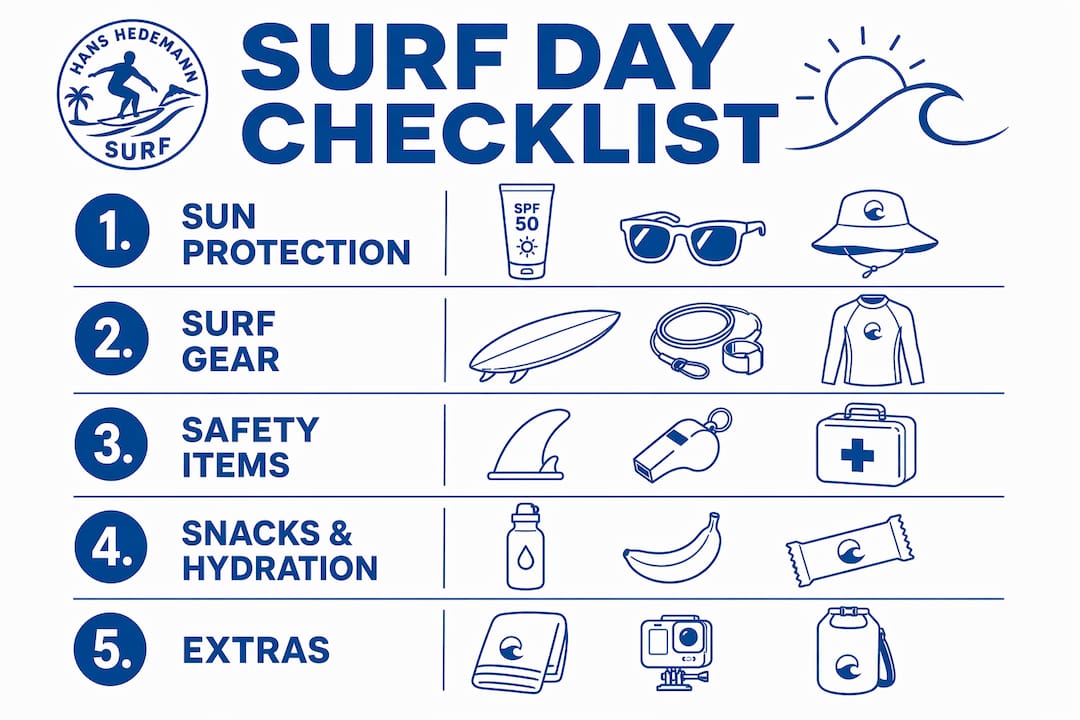
Gear preparation is where most group trips fall apart. Someone forgets sunscreen, a board gets dinged with no repair kit in sight, and suddenly the day loses momentum. A shared packing list, divided across the group, solves this before it starts.
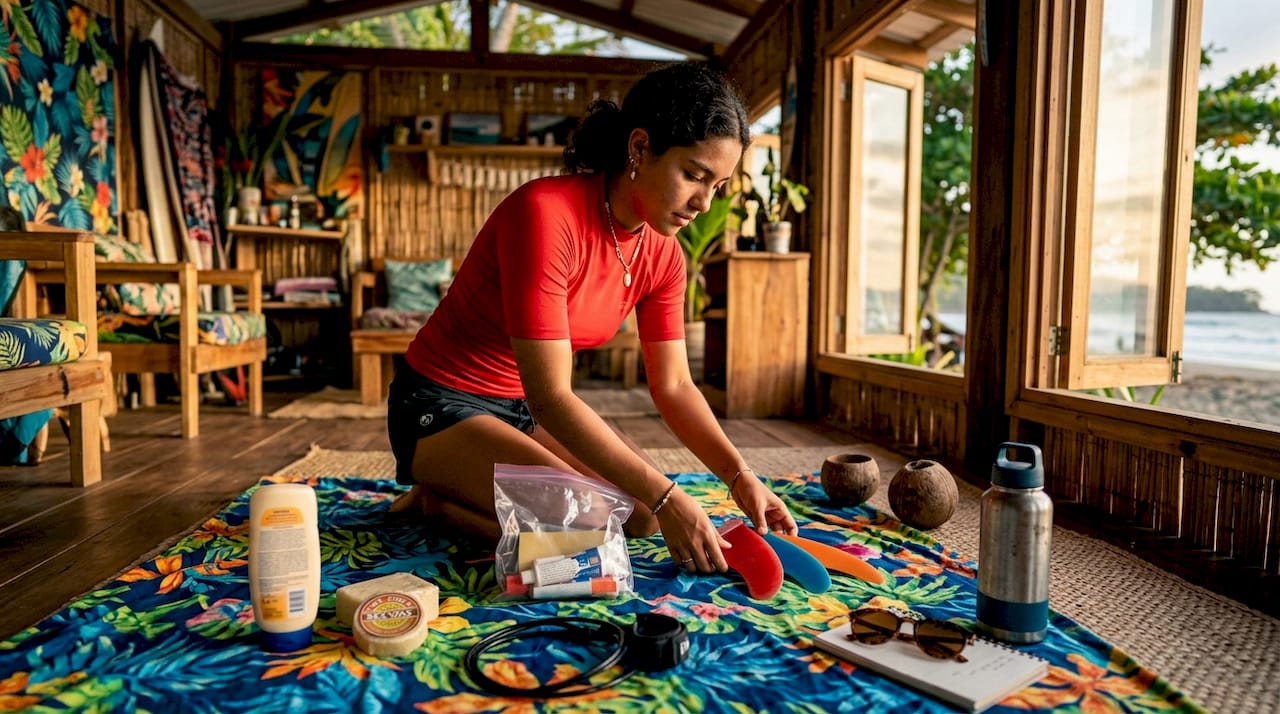
Essential surf trip gear includes quick-dry clothing, leashes, a spare leash, and wax matched to the water temperature. Pack 3–4 pairs of quick-dry board shorts per person if you plan a full day. Cold water needs harder wax; warm tropical water needs softer wax. Getting this wrong means sliding off your board on every wave.
Bringing a basic ding repair kit handles minor board damage and keeps the session going without interruption. A small putty repair takes two minutes and saves the whole day. Assign one person in the group to carry it.
| Gear Category | What to Pack |
|---|---|
| Sun protection | SPF 50+ reef-safe sunscreen, UV rashguards, wide-brim hats |
| Surf essentials | Boards, leashes, spare leash, surf wax (temp-matched) |
| Repair and safety | Ding repair kit, first aid kit, whistle |
| Hydration and food | Reusable water bottles, electrolyte packs, easy snacks |
| Comfort items | Quick-dry towels, dry bag, change of clothes |
Pro Tip: Assign gear categories to different people in the group. One person owns sun protection, another owns the repair kit, another owns food and water. Shared responsibility means nothing gets forgotten and no one person carries everything.
Reef-safe sunscreen is not optional at most surf destinations in 2026. Hawaii, for example, bans oxybenzone and octinoxate in sunscreens sold in the state. Bring mineral-based SPF 50+ products and apply them 20 minutes before hitting the water.
How do you build a surf day itinerary that keeps everyone happy?
A good surf day itinerary is not rigid. It is structured enough to keep the group moving and loose enough to absorb the unexpected. Scheduling non-surf buffer time for activities like yoga, bonfires, or beach games helps the group recover and bond between sessions.
A practical full-day structure looks like this:
- 7:30 AM: Arrive early, claim your spot, and set up base camp before crowds build.
- 8:00 AM: Group safety briefing, sunscreen application, and gear check.
- 8:30 AM: Beginner surf lesson starts. Experienced surfers hit the water for free surf.
- 10:30 AM: First water break. Everyone out of the water. Snacks, hydration, and regrouping.
- 11:00 AM: Second surf session. Beginners practice what they learned. Experienced surfers continue.
- 12:30 PM: Lunch break. This is the social anchor of the day. Sit together, eat, and decompress.
- 2:00 PM: Optional beach games: spike ball, frisbee, or a group swim. Non-surf activities keep energy up.
- 3:30 PM: Final surf session or relaxed paddling for anyone who wants it.
- 5:00 PM: Pack up, rinse gear, and head out before parking gets chaotic.
Tide timing matters more than most groups realize. Swell period and wind direction are better predictors of wave quality than wave height alone. Groundswells with 12–20 second periods and offshore winds produce the cleanest, most rideable waves. Check a surf forecast app the night before and adjust your morning start time if conditions look better at high or low tide.
What logistics do you need to manage for a group beach outing?
Logistics are the invisible backbone of a great beach day with friends. Get them right and nobody notices. Get them wrong and the whole group feels it.
- Transportation: Designate one or two drivers and confirm parking options in advance. Beach parking fills up fast on weekends, especially in summer. Arrive before 8:00 AM or use a rideshare drop-off point.
- Equipment rentals: Centralized equipment rental next to the beach reduces friction and keeps non-surfers included. One rental spot near the sand means less hauling and a clear policy for who pays what.
- Group communication: Create a group chat before the day. Share the itinerary, the meeting point, and a backup plan for weather changes. Assign one person as the day’s coordinator, not a boss, just the person who makes calls when the group needs a decision.
- Weather and surf conditions: Check forecasts 48 hours out and again the morning of the trip. Have a backup plan ready: a sheltered cove, an indoor lunch spot, or a rain-day activity. Flexibility is not weakness; it is planning.
- Buddy system: Pair every beginner with a more experienced swimmer or surfer. No one enters the water alone. This rule sounds strict until someone needs it.
Full-day group surf packages can be affordable at around $30 per person, including essentials like lunch and beach access. Custom group bookings typically require a deposit of around 30%. Knowing this upfront lets the group split costs fairly before the day arrives.
Understanding local surf etiquette protects the group and earns respect from other surfers in the lineup. The person closest to the breaking part of the wave has priority. Dropping in on someone else’s wave causes accidents and creates conflict. Brief your group on this before they paddle out.
Key Takeaways
A successful friends beach surf day requires skill-level matching, a shared gear list, a flexible itinerary, and clear logistics managed before anyone sets foot on the sand.
| Point | Details |
|---|---|
| Match skills to breaks | Send beginners to beach breaks and experienced surfers to reef breaks to keep everyone safe. |
| Divide gear responsibility | Assign each person a gear category so nothing gets forgotten and no one carries everything. |
| Build in buffer time | Schedule rest and beach games between surf sessions to maintain group energy all day. |
| Centralize rentals | Book equipment from one spot near the sand to cut hassle and include non-surfers easily. |
| Check swell and wind | Groundswells with 12–20 second periods and offshore winds produce the best conditions for the group. |
What I’ve learned from years of watching group surf days succeed and fail
The groups that have the best days are never the ones with the most gear or the most experienced surfers. They are the ones where someone took 30 minutes the night before to think through the details.
The detail most groups skip is surf etiquette. Respecting who has priority in the lineup is not just a courtesy. It prevents real accidents and keeps the local surf community from resenting your group. I have watched groups get quietly frozen out of a break because they ignored lineup rules. A two-minute conversation before paddling out changes that entirely.
The other thing I have seen derail otherwise great days is the pressure to keep everyone surfing at the same time. Some people want to sit on the beach, read, and watch. That is a completely valid way to spend a beach day. The best group surf outings I have been part of always had a clear “no pressure” policy. Surf if you want. Relax if you need to. The group stays together even when people are doing different things.
Small details matter more than people expect. A dry bag for phones and wallets, a speaker with a shared playlist, a cooler with cold drinks at noon. These are not luxuries. They are the things people remember when they talk about the day afterward.
— Johann
Hhsurf group lessons: the easiest way to include every skill level
Planning a surf day that works for the whole group gets a lot easier when you have professional instructors handling the beginner sessions.
Hhsurf offers group surf lessons in Waikiki designed for exactly this situation: mixed groups where some friends have never touched a board and others have been surfing for years. Instructors focus on getting beginners standing on their first wave, which means the whole group ends the day with a shared win. Lessons cover water safety, paddling technique, and wave reading in a structured session that fits naturally into a full-day itinerary. Booking is straightforward, and the Waikiki location puts the group in some of the most beginner-friendly surf conditions in the world.
FAQ
How do you plan a beach surf day for a mixed-skill group?
Separate beginner lessons from free surf sessions for experienced riders. Beach breaks suit beginners while reef breaks work for advanced surfers, keeping everyone safe and engaged.
What gear should every group bring to a surf day?
Pack quick-dry clothing, leashes, a spare leash, temp-matched surf wax, reef-safe sunscreen, and a ding repair kit. Divide gear categories across group members so nothing gets left behind.
How early should a group arrive at the beach for a surf day?
Arrive before 8:00 AM on weekends to secure parking and a good spot. Early arrival also gives the group time for a safety briefing before conditions get crowded.
What is the best way to keep non-surfers included in a beach surf day?
Centralized rentals near the beach and parallel activities like paddleboarding, beach games, or snorkeling keep non-surfers engaged without pulling them into the water against their comfort level.
How do surf conditions affect group planning?
Swell period and wind direction determine wave quality more than height alone. Groundswells with 12–20 second periods and offshore winds create the cleanest waves, so check a surf forecast the night before and adjust your start time accordingly.
0 Comments