
Hawaii’s surf spots are defined by two seasonal swell windows that determine where, when, and how safely you can ride waves across the islands. The North Shore of Oahu receives massive winter swells from november through february, while the South Shore delivers gentler summer waves from may through september. Matching your skill level to the right season and location is the single most important decision you will make before paddling out. This guide covers the best surf spots in Hawaii by island and skill level, with safety tips and cultural context to help you plan a trip worth every wave.
What are the major Hawaii surf seasons and wave conditions?
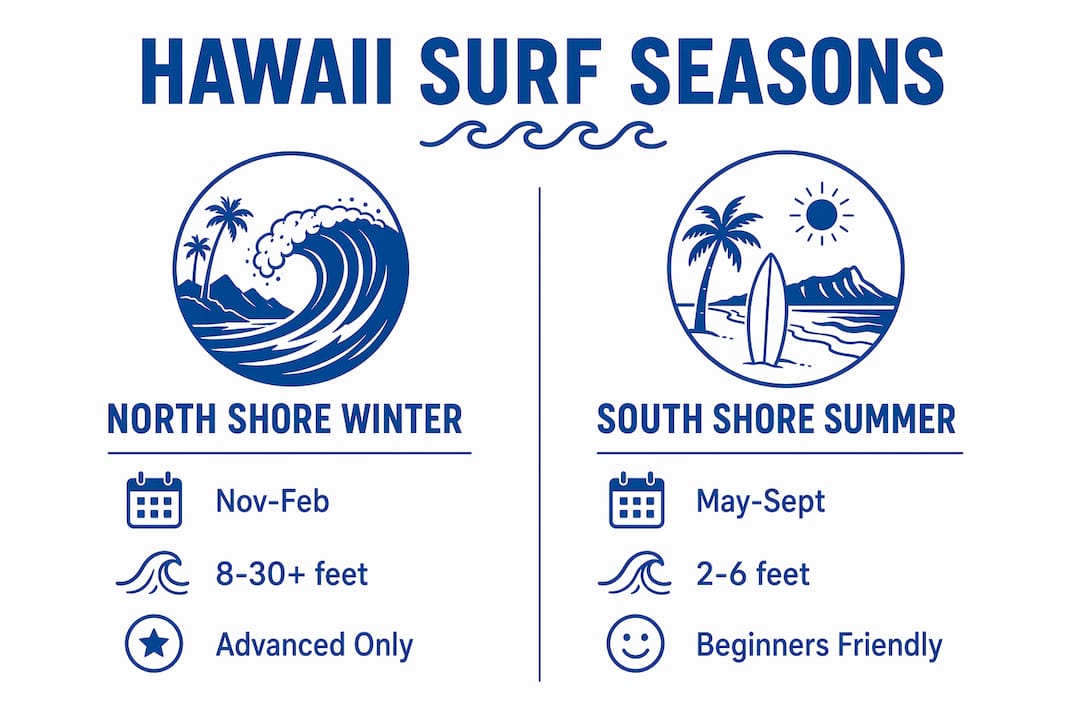
Hawaii’s two surf seasons are not just calendar markers. They define which coastlines are safe, which spots are accessible, and which waves are worth chasing. North Shore winter swells reach 8–30+ feet, while South Shore summer swells typically run 3–10 feet. That gap in wave size separates beginner-friendly conditions from expert-only territory.
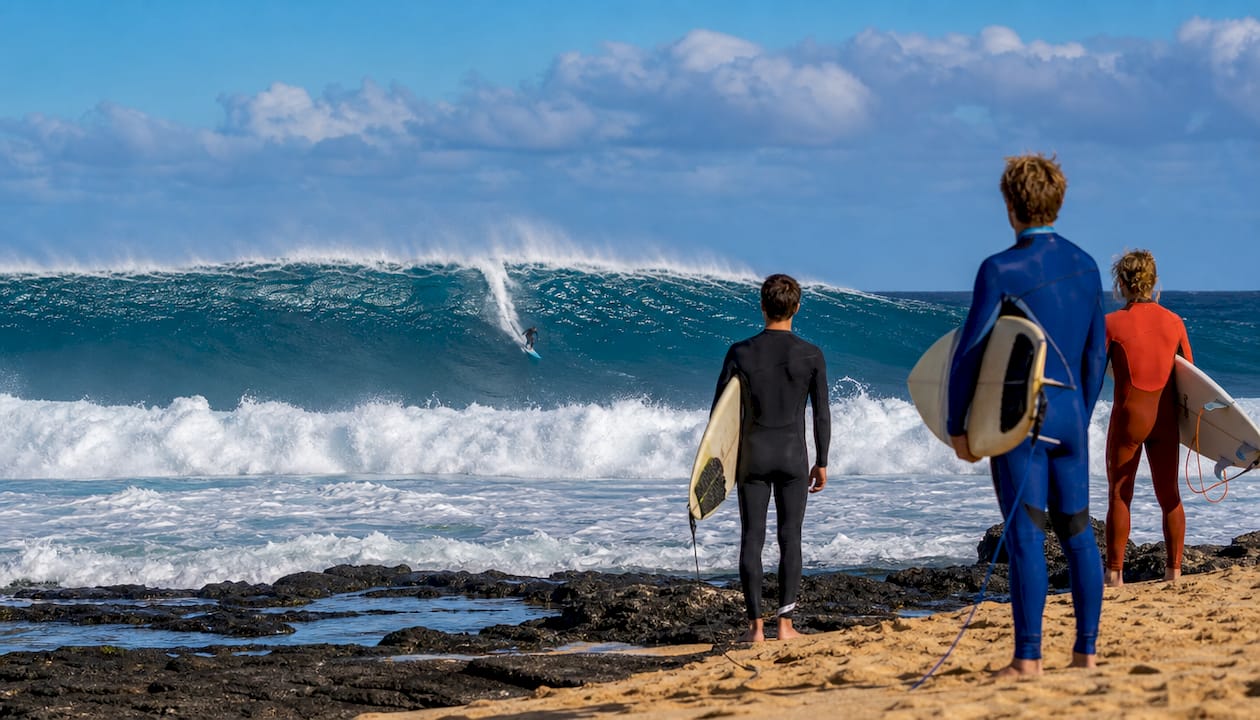
The North Shore winter season runs from november through february. Powerful swells generated by North Pacific storms push massive walls of water toward Oahu’s northern coastline. These waves are fast, heavy, and break over shallow reef. Advanced surfers travel from around the world to surf them. Beginners should stay away entirely during this period.
The South Shore summer season runs from may through september. Southern Hemisphere storms send long-period swells that wrap around the islands and produce clean, rolling waves at spots like Waikiki and Canoes. These conditions are ideal for first-timers and intermediate surfers building confidence. Local experts call the strategy of following the seasons the “swap shores” rule, and it is the most practical advice any traveler can receive.
| Season | Months | Wave Height | Best For |
|---|---|---|---|
| North Shore winter | November–February | 8–30+ feet | Advanced and expert surfers |
| South Shore summer | May–September | 3–10 feet | Beginners and intermediate surfers |
| Shoulder season | March–April, October | Variable | All levels, check daily forecasts |
Pro Tip: Check Surfline or the National Weather Service Honolulu forecast the morning of your session. Conditions can shift within hours, especially during shoulder months.
Which are the best beginner surf spots in Hawaii?
The best beginner surf spots in Hawaii share three traits: gentle wave height, forgiving ocean floors, and access to qualified instruction. Waikiki Beach on Oahu is the most developed beginner zone in the state, with surf schools operating directly on the sand and consistent waves almost year-round. Oahu’s infrastructure for lessons and rentals is more developed than any other island, making it the top choice for first-time travelers.
Here are the top beginner-friendly surf locations across the four major islands:
- Canoes, Waikiki (Oahu): Arguably the most beginner-friendly spot in the world. Soft, rolling waves break over a sandy bottom. Large longboards provide stability. Expect crowds of families and surf school groups, especially on summer mornings.
- Launiupoko Beach Park (Maui): A shallow, protected break with small, slow waves. The sandy bottom and calm inside section make it ideal for children and adults on their first board.
- Kalama Park, Kihei (Maui): A consistent south-facing break that picks up summer swells well. The beach is uncrowded compared to Waikiki, and the wave shape is forgiving for pop-up practice.
- Poipu Beach (Kauai): A sheltered bay with gentle surf and a lifeguard presence. The scenery is exceptional, and the wave energy stays manageable through most of the summer season.
- Pine Trees, Hanalei (Kauai): A mellow reef break that produces long, slow rides. Best in small swell conditions and popular with local families.
- Kahalu’u Bay (Big Island): A sandy-bottom spot with small, consistent waves. The bay’s natural protection keeps wave energy low, making it one of the safest learning environments on the Big Island.
Pro Tip: At Waikiki, choose a private surf lesson if you want faster progression. Group sessions are fun but instructors split attention across multiple students.
What are the iconic advanced surf spots in Hawaii?
Hawaii’s expert surf spots are not just challenging. They are genuinely dangerous for anyone without the skills to match the conditions. The North Shore of Oahu concentrates the most famous big-wave breaks in the world, and the Pipeline, Sunset Beach, and Waimea Bay combination defines what serious surfers mean when they say “North Shore season.”
The key advanced spots across the islands:
- Pipeline (Oahu): Hosts the Pipe Masters competition and produces thick, hollow barrels over an extremely shallow reef. A wipeout here can result in serious injury. Spectating from the beach is free and spectacular.
- Sunset Beach (Oahu): A wide, powerful break that handles large swells with multiple peaks. More forgiving than Pipeline but still demands advanced paddling strength and wave-reading ability.
- Waimea Bay (Oahu): Home of the Eddie Aikau Invitational, which only runs when waves exceed 20 feet. On smaller days, the bay is calm enough for swimming. When the swell arrives, it closes to everyone except invited big-wave surfers.
- Jaws, Pe’ahi (Maui): One of the heaviest big-wave spots on the planet. Waves regularly exceed 40 feet during peak winter swells. Tow-in surfing is common here. Non-experts should watch from the cliff overlook only.
- Honolua Bay (Maui): A world-class right-hand point break that works best in winter swells. The wave is long, powerful, and breaks over reef. Intermediate to advanced surfers can handle it in moderate conditions.
- Hanalei Bay (Kauai): A scenic bay with a long right-hand break. Works best in winter and can get large. Intermediate surfers can enjoy it in smaller conditions; advanced surfers seek it out when the swell builds.
Respect local surf etiquette at every expert spot. Do not paddle out if the wave is beyond your ability. Watch from the channel or the beach first. Locals at these breaks have surfed them for years and will not yield priority to visitors who ignore the lineup rules.
How to plan your Hawaii surfing trip: logistics, budget, and safety
A surf-focused trip to Hawaii typically costs $150–$300+ per day when you factor in accommodation, equipment rentals, and lessons. That range shifts significantly based on island, lodging choice, and whether you rent gear daily or bring your own. Lessons at Waikiki sell out by 9:00 AM, so booking at least 24 hours in advance is the standard practice, not an optional courtesy.
Follow this sequence when planning your trip:
- Choose your island based on skill level. Oahu suits all levels. Maui and Kauai offer excellent intermediate options. The Big Island is best for those who want a quieter experience with fewer crowds.
- Book lessons and rentals before you arrive. Group lessons reach capacity early, especially at popular Waikiki spots. Secure your slot the day before at minimum.
- Surf in the morning. Offshore winds are cleanest from sunrise until around 10:00 AM. Afternoon onshore winds chop up the surface and make conditions less predictable.
- Wear reef booties at reef-bottom breaks. Reef cuts are a real hazard at spots like Honolua Bay and Pine Trees. A $20 pair of booties prevents injuries that can end your trip.
- Learn to read rip currents before paddling out. Rip currents appear as dark, choppy channels moving away from shore. If caught in one, paddle parallel to the beach rather than fighting it directly.
- Never turn your back to the ocean. Waves arrive in sets, and a large set can arrive without warning. Face the water at all times when standing in the shore break.
Pro Tip: Check the Oahu surf spot guide before your trip to understand which breaks are active by season. It saves time and prevents arriving at a flat or dangerous spot.
How does Hawaii surf culture shape the experience at each spot?
Hawaii surf culture is the oldest continuous surf tradition in the world. Surfing originated in Hawaii, and that history shapes how locals treat the ocean, the lineup, and visitors at every break. Understanding this context makes you a better guest and a safer surfer.
At Waikiki and Canoes, the atmosphere is welcoming and high-energy. Surf schools operate openly, families share waves, and the crowd is international. The positive surf culture at Canoes makes it an ideal starting point, even if the crowds test your patience. Expect to share waves generously and celebrate other surfers’ rides.
“The spirit of aloha in the water means cheering for the person who just caught the wave ahead of you, not resenting them for it. That attitude is what makes Waikiki special despite the crowds.”
The North Shore operates by different rules. The Vans Triple Crown of Surfing brings professional competition to Pipeline, Sunset Beach, and Haleiwa every winter. During contest season, the energy is electric but the lineup hierarchy is strict. Locals who have surfed these breaks for decades hold priority. Visitors who respect that earn respect in return.
Surf etiquette basics apply everywhere: one surfer per wave, the surfer closest to the breaking part of the wave has priority, and paddling out means staying out of the path of riders already on a wave. Learning these rules before you paddle out is not optional. It protects you and everyone around you. The history of surfing in Hawaii runs deep, and honoring it starts with how you behave in the water.
Key Takeaways
Matching your surf spot to Hawaii’s seasonal swell pattern is the single most effective way to stay safe, progress faster, and enjoy the experience fully.
| Point | Details |
|---|---|
| Follow the seasonal swap | Surf the South Shore in summer and the North Shore only if you are an advanced surfer in winter. |
| Book lessons 24 hours ahead | Popular Waikiki spots fill by 9:00 AM; reserving early secures your preferred time slot. |
| Match spot to skill level | Beginners belong at Canoes, Launiupoko, or Poipu. Experts belong at Pipeline, Jaws, or Waimea Bay. |
| Respect local etiquette | Priority rules and aloha spirit apply at every break; ignoring them creates conflict and risk. |
| Wear protective gear at reef breaks | Reef booties prevent cuts at spots like Honolua Bay, Pine Trees, and Hanalei Bay. |
What I’ve learned from watching beginners choose the wrong spot
The most common mistake I see travelers make is choosing a surf spot based on a photo rather than a forecast. Waimea Bay looks calm and inviting in summer. Pipeline looks manageable on a small day. Neither impression holds when a swell arrives. The ocean does not care about your expectations.
The “swap shores with the season” advice sounds simple, but travelers consistently ignore it. They book a North Shore hotel in december because it is cheaper, then wonder why they cannot get in the water. The seasonal pattern is not a suggestion. It is the structure around which every good surf trip in Hawaii is built.
I also think beginners underestimate how much crowd management matters at Waikiki. The waves are forgiving. The crowd is not always. Arriving early, booking a lesson with a qualified instructor, and adopting a low-expectation mindset about wave count makes the experience genuinely fun rather than frustrating. Hhsurf’s approach of getting students standing on their board within the first lesson reflects exactly this philosophy: focus on the process, not the performance.
Ocean safety consciousness separates surfers who keep coming back from those who have one bad experience and quit. Read the water before you enter it. Watch two or three sets from the beach. Identify where the rip currents are moving. That five-minute observation habit has saved more surf trips than any piece of equipment.
— Johann
Hhsurf makes booking your Waikiki surf lesson simple
Waikiki is the best place in Hawaii to start surfing, and Hhsurf is the school that makes that first session count. Founded by professional surfer Hans Hedemann, Hhsurf offers private surf lessons, group sessions, kids surf lessons, and family packages directly on Waikiki Beach. Instructors are professional surfers who focus on getting you standing on the board within your first lesson, not just floating in the whitewash.
Morning slots fill fast, especially during the summer season when South Shore conditions are at their best for beginners. Booking through Hhsurf’s surf lesson page takes minutes and locks in your preferred time before the lineup fills. Equipment is provided, safety is built into every session, and the instructors know Waikiki’s breaks better than anyone on the beach.
FAQ
What are the two main surf seasons in Hawaii?
Hawaii’s two primary surf seasons are the North Shore winter season from november through february, with waves reaching 8–30+ feet, and the South Shore summer season from may through september, with waves running 3–10 feet.
Which Hawaii island is best for beginner surfers?
Oahu is the best island for beginners. Waikiki and Canoes offer consistent, gentle waves with surf schools on the beach and the most developed lesson and rental infrastructure in the state.
How far in advance should I book a surf lesson in Hawaii?
Book at least 24 hours before your session. Group lessons at popular spots like Waikiki reach capacity by 9:00 AM, so same-day booking often means missing your preferred time slot.
Is Pipeline safe to watch as a spectator?
Yes. Pipeline on Oahu’s North Shore is free to watch from the beach and is one of the best spectator surf experiences in the world. Do not paddle out unless you are an expert surfer with experience at heavy reef breaks.
What gear do I need for surfing reef breaks in Hawaii?
Reef booties are the most important protective item for reef-bottom breaks like Honolua Bay or Pine Trees. A rash guard protects against sun exposure, and a leash keeps your board close after a wipeout.
0 Comments