
Tipping your surf instructor is customary in the United States, even though it’s never required. The easy math: 15% to 20% of the lesson price, or $10 to $20 per instructor-hour if you’d rather calculate it that way. The rest of this guide covers when to go higher, when it’s fine to skip it, and how to actually hand over the cash without feeling awkward.
TL;DR:
- Tipping more than 15% to 20% or more than $10 to $20 per hour is justified when instructors provide extra coaching, manage difficult conditions, or include added benefits.
- Small bills are recommended for cash tips handed directly to the instructor, ideally at the end of the lesson when they are free to accept gratuity.
- Confirm whether gratuity is included in the booking fee before tipping, and consider dividing tips among multiple instructors based on operator instructions.
- Tips support instructors’ efforts in preparing conditions, safety management, and personalized coaching, which are largely unseen but essential to quality instruction.
- Booking platforms may allow gratuity added upfront, but direct cash tips are often more reliable for ensuring instructors receive proper appreciation.
Table of Contents
- How Much to Tip a Surf Instructor: Percentages and Per-Hour Math
- When to Tip More (or Less) Than the Standard Rate
- Cash, Card, or Neither: Surf Lesson Gratuity Etiquette
- Why Tips Matter More Than You’d Think
- What We Wish Every Student Knew Before Their First Lesson
- Ready to Book? Ask About Gratuity When You Reserve
- Sources
How Much to Tip a Surf Instructor: Percentages and Per-Hour Math
Two heuristics cover almost every situation. The first: tip 15% to 20% of what you paid for the lesson, a typical range similar to common gratuity rates. The second, useful when a friend covered the booking or you’re splitting costs with a group: tip $10 to $20 for every hour you spent with the instructor. Some destinations push the percentage slightly higher. Maui operators, for instance, list 15% to 25% as the accepted range for surf lesson gratuities, which tells you the exact number matters less than staying somewhere inside that band.
Here’s how the math plays out on real bookings:
- $75 group lesson: 15% to 20% lands at $11 to $15 per person, or you can hand the instructor $10 to $20 flat if the lesson ran close to an hour.
- $120 private lesson: 15% to 20% comes to $18 to $24. Private sessions usually justify the higher end since you got the instructor’s full attention.
- Half-day or multi-hour package (say, $250 for three hours): the per-hour method makes more sense here. At $10 to $20 an hour, that’s $30 to $60 total.
Group lessons split differently than private ones. If two or three instructors coach a group of eight, tip based on the total lesson cost, then let the operator help you divide it, or hand a slightly larger amount to whoever ran point on your instruction.
When to Tip More (or Less) Than the Standard Rate
The 15% to 20% baseline is a floor, not a ceiling. Push toward the top of the range, or past it, when your instructor did more than run through the basics.
Reasons to tip above the standard rate:
- You booked a private lesson and got one-on-one coaching for the full session.
- Conditions were tricky, and the instructor spent extra time managing safety, current, or crowded lineups.
- You got a photo or video package thrown in, or extra coaching beyond what you paid for.
- You made noticeably faster progress than expected, or the instructor simply went above and beyond.
Reasons a smaller tip, or none at all, is reasonable:
- The lesson was cut short or canceled for safety reasons that were out of the instructor’s control.
- Organization was genuinely poor, gear wasn’t ready, or communication broke down.
- The booking confirmation already lists a service charge or gratuity as included in the price. Read the fine print before adding a second tip on top of one you already paid.
When several assistants helped your group, ask the operator how they prefer tips distributed rather than guessing. Some shops pool and split; others want you to hand cash to each coach directly.
Pro Tip: If you can’t tell whether gratuity is already built into your quote, look at the itemized receipt or ask the front desk before the lesson starts. It’s a much easier conversation before you’re standing on the beach with wet hands and no idea who to pay.
Cash, Card, or Neither: Surf Lesson Gratuity Etiquette
Handling the actual handoff trips up more tourists than the math does. A few rules make it painless.
- Bring small bills. Cash handed directly to the instructor is the most reliable way to tip, since some shops can’t process card gratuities on the spot or split them fairly among staff.
- Check the booking system before you assume card tipping works. Many operators use FareHarbor or similar platforms, and some let you add a gratuity at checkout, but that doesn’t guarantee it reaches your specific instructor right away.
- Time it for the end of the lesson, after the debrief, when the instructor has a free hand and you’re not mid-paddle.
- For multi-day packages, tip per session rather than saving it all for the last day. It’s a small habit that keeps appreciation consistent if you’re working with the same instructor all week.
- If you genuinely can’t tip on the spot (no cash, card machine down), just say so. Something as simple as “I don’t have cash on me right now, but I really appreciated the lesson” goes further than silently walking off, and many people follow up with a tip through the booking platform later.
Why Tips Matter More Than You’d Think
Most of what a surf instructor does happens before you ever paddle out. Reading the swell, checking wind direction, hauling boards down to the water, and watching your position relative to other surfers and any rip current activity nearby are part of the job that never shows up on a lesson receipt. That’s a big part of what a gratuity is actually rewarding.
Good instruction isn’t just standing next to you while you paddle. It’s the constant, quiet work of watching conditions, positioning students safely, and adjusting a lesson plan in real time so a beginner who’s never touched a board stands up on their first wave.
Hans Hedemann Surf School built its teaching approach around exactly that kind of attention, with a track record of getting first-timers riding waves in a single lesson. Tips don’t replace fair wages, but they do help instructors maintain gear, cover the physical toll of the job, and stay motivated to give every student, not just the strong swimmers, the same level of care.
What We Wish Every Student Knew Before Their First Lesson
Safety comes before everything else out there, and a tip is never why we push a student to stand up or paddle harder. It’s a thank you for the work most guests never see: reading a shifting lineup, calling off a set wave before it breaks on someone, or spending five extra minutes on a stance because a student just wasn’t quite ready to move on.,. A tip that reflects genuine effort means more to instructors than the dollar amount ever suggests, and it’s one of the simplest ways a student can say the lesson actually landed.
— Johann
Ready to Book? Ask About Gratuity When You Reserve
Hhsurf makes this whole question easier before you even hit the beach.
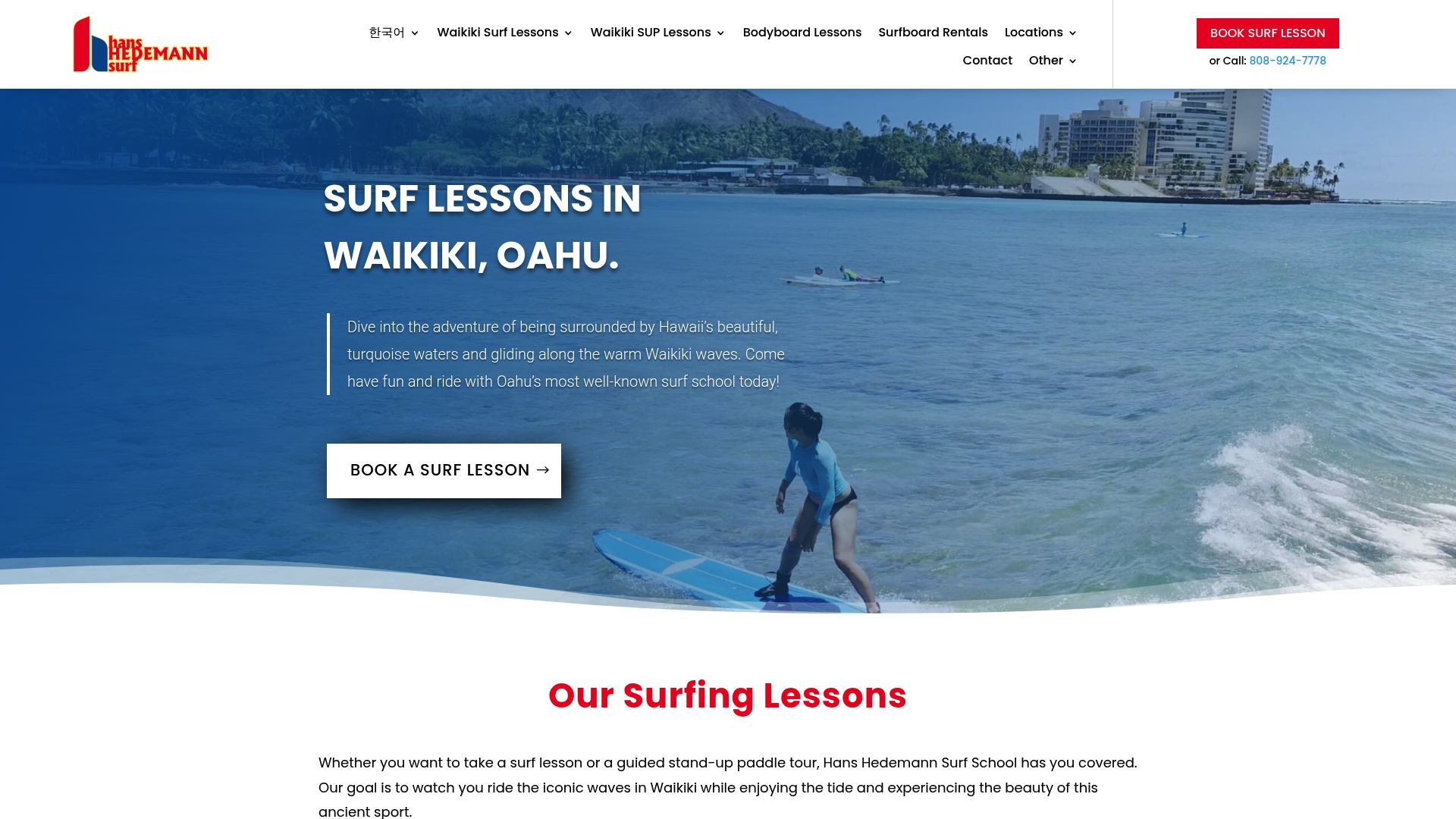
When you book a group or private surf lesson in Waikiki, it’s worth asking the booking team whether gratuities can be added online or if cash on the beach is the better option. Getting that answered ahead of time means you’re not digging through your beach bag for small bills right after your first wave. If you’re weighing formats, the private lesson page breaks down what one-on-one instruction actually includes, which makes it easier to decide how much extra attention you’re paying for, and tipping for, before you ever paddle out.
0 Comments