
Stand-up paddleboarding gets you upright and gliding in a single session, which is why it’s the easier entry point for most beginners. Surfing takes longer to click, often several sessions before you’re reliably catching green waves, but it rewards that investment with a much higher ceiling for speed, turns, and wave performance. If you want fast wins and a workout, start with SUP. If you’re chasing the feeling of actually riding a wave, surfing is worth the steeper climb.
TL;DR:
- Sup beginners typically stand and paddle on their first outing, while surfers need multiple sessions to master the pop-up and wave reading.
- Sup gear is larger and more stable, making it easier for beginners to balance, whereas surfboards are smaller and require more body control and skill.
- Sup is more versatile across various water types, including lakes and calm bays, while surfing depends on specific wave conditions like reef or beach breaks.
- Sup promotes sustained cardio and core strength during long paddling sessions, whereas surfing involves short bursts of effort with breath control challenges.
- Guided lessons accelerate learning by providing real-time feedback and proper wave selection, especially important when transitioning from Sup to surfing.
Table of Contents
- SUP vs Surfing: Equipment and Technique Differences
- How Long Does It Take to Learn SUP or Surfing?
- Where Do You Practice SUP vs Surfing?
- Fitness and Safety: SUP vs Surfing Compared
- SUP vs Surfing: Weighing the Pros and Cons
- Who Should Choose SUP, and Who Should Choose Surfing?
- How to Choose: A Quick Decision Checklist
- Why Guided Lessons Shorten the Learning Curve
- A Practical Way to Try Both Without Overcommitting
- Ready to Trade the Comparison for the Real Thing?
- Sources
SUP vs Surfing: Equipment and Technique Differences
The gear tells you almost everything about why one sport feels easier than the other. SUP boards run longer, wider, and higher in volume than surfboards, typically 9 to 14 feet with enough buoyancy to keep a shaky beginner upright while they figure out balance. Surfboards are shorter, lower volume, and built for rotation, not stability. That single design choice explains most of the learning curve gap between the two sports.
Technique diverges just as sharply. SUP paddlers stand the entire time and use a long paddle for propulsion and steering, so there’s no pop-up to master and no timing puzzle to solve before you catch a wave. Surfers paddle prone, then have to spring from lying down to a standing stance in roughly one second, all while the board is moving and the wave is doing its own thing underneath them.
That difference shapes what you need to get started:
- SUP: board, paddle, ankle or calf leash, personal flotation device where required, and a roof rack or inflatable model for transport.
- Surfing: foam beginner board, leash, wax or traction pad, and a wetsuit depending on water temperature.
- Shared needs: sun protection, a way to carry the board, and a beginner-friendly stretch of water.
SUP gear is bulkier but simpler to use. Surf gear is smaller but demands more from your body.
How Long Does It Take to Learn SUP or Surfing?
Progress on the water follows two very different timelines, and knowing them upfront saves you from getting discouraged.
- Session one: Most beginners can stand and paddle a SUP on their first outing, thanks to the board’s stability. Surfers spend session one mostly practicing pop-ups on sand and maybe standing up a few times on whitewater.
- Sessions two through ten: SUP paddlers start touring longer distances, trying their first small waves, and refining balance in chop. Surfers work on pop-up consistency and begin reading which waves are worth chasing, a skill that takes repetition to internalize.
- One season in: Confident SUP paddlers can handle wind, moderate chop, and small surf. Surfers who’ve put in consistent sessions can usually ride green waves under control and attempt basic turns.
Balance and comfort in the water carry over from SUP to surfing, but the pop-up and wave timing do not transfer directly. You’ll still need dedicated practice on a surfboard even if you’re a strong paddler.
Where Do You Practice SUP vs Surfing?
Access to water shapes this decision more than most people realize. SUP works almost anywhere: lakes, rivers, sheltered bays, and slow-rolling coastal waves all suit a paddleboard, which is why it’s more versatile across locations than surfing. Surfing needs a real wave, meaning a point break, reef break, or beach break with enough swell and the right shape to actually ride.
- SUP-friendly water: flat lakes, calm bays, slow rivers, small rolling swell.
- Surf-friendly water: point breaks, reef breaks, and beach breaks with consistent, rideable swell.
- Wind matters more for SUP since you’re standing tall and catching gusts; surfers sit lower and are less affected.
- Getting past the break is a nonissue for SUP touring but a real early obstacle for new surfers paddling out.
Travelers heading somewhere without reliable surf, like an inland lake town, will get far more water time on a paddleboard.
Fitness and Safety: SUP vs Surfing Compared
SUP builds sustained cardio and core endurance since you’re paddling continuously for the length of a session. Surfing works in bursts: short, intense paddling sprints, explosive pop-ups, then rest while waiting for the next set. Surfers also need better breath control since wipeouts can mean time underwater.
Basic safety habits keep both sports low risk:
- Always wear a leash so a dropped board doesn’t become a hazard for you or anyone nearby.
- Use a personal flotation device on open or windy water, especially on SUP.
- Know your breath hold limit and never surf conditions beyond your comfort level.
- Respect the lineup and right-of-way rules in shared surf zones. Surf culture in particular has ongoing debates over wave access between surfers and SUP riders, so newcomers should learn local etiquette before paddling into a crowd.
Pro Tip: Never surf or SUP alone in unfamiliar conditions. A local surf shop or lesson provider can tell you which breaks are beginner-friendly and which are better left for later.
SUP vs Surfing: Weighing the Pros and Cons
Cost is often the deciding factor. Inflatable beginner SUPs start lower than rigid boards, which can run $800 or more, while a decent beginner surf setup can actually cost less than a high-end SUP. Storage and transport favor inflatables, which pack down small, while rigid boards of either type need a rack or dedicated space.
- Accessibility: SUP wins for a fast first success and near-anywhere use.
- Versatility: SUP covers touring, fitness paddling, and small surf; surfing stays focused but goes deeper into performance.
- Thrill factor: surfing delivers a sharper adrenaline payoff once you’re linking turns.
- Crowds: popular surf breaks get congested fast, while SUP spots are often quieter.
Who Should Choose SUP, and Who Should Choose Surfing?
Match the sport to your situation rather than picking based on hype.
- Inland beginner with no ocean access: start with SUP on a local lake or river, since it’s the more consistent option for readers without regular coastal access.
- Family with young kids: SUP for calm-water fun, or a dedicated kids surf lesson built around age-appropriate coaching.
- Traveling novice on a beach vacation: book a beginner surf lesson to make the most of a short trip.
- Thrill-seeker chasing adrenaline: commit to surfing and expect a longer runway before it pays off.
- Fitness-focused paddler: SUP delivers a steady cardio and core workout with a gentler learning curve.
How to Choose: A Quick Decision Checklist
Run through these questions before you buy gear or book a lesson:
- Water access: do you live near rideable waves, or only flat water?
- Budget: can you afford a rigid SUP, or does an inflatable or beginner surfboard fit better?
- Transport: do you have a roof rack, or do you need something that packs small?
- Fitness goals: do you want sustained cardio (SUP) or explosive, athletic training (surfing)?
- Safety priorities: are you comfortable with breath-hold situations and wipeouts, or do you want a lower-risk start?
Lessons are worth it for either sport, especially surfing, where a coach can spot timing errors you’d never catch on your own.
Pro Tip: Rent before you buy. One or two sessions on rented gear will tell you more about which sport fits you than any comparison chart.
Why Guided Lessons Shorten the Learning Curve
Guided instruction speeds up the process in ways solo practice can’t match. A professional instructor spots your positioning errors in real time, adjusts your stance before bad habits form, and picks the right wave for your skill level so you’re not wasting sessions on conditions you’re not ready for. That combination of feedback and wave selection is why guided beginners tend to progress faster and more safely than people teaching themselves from videos.
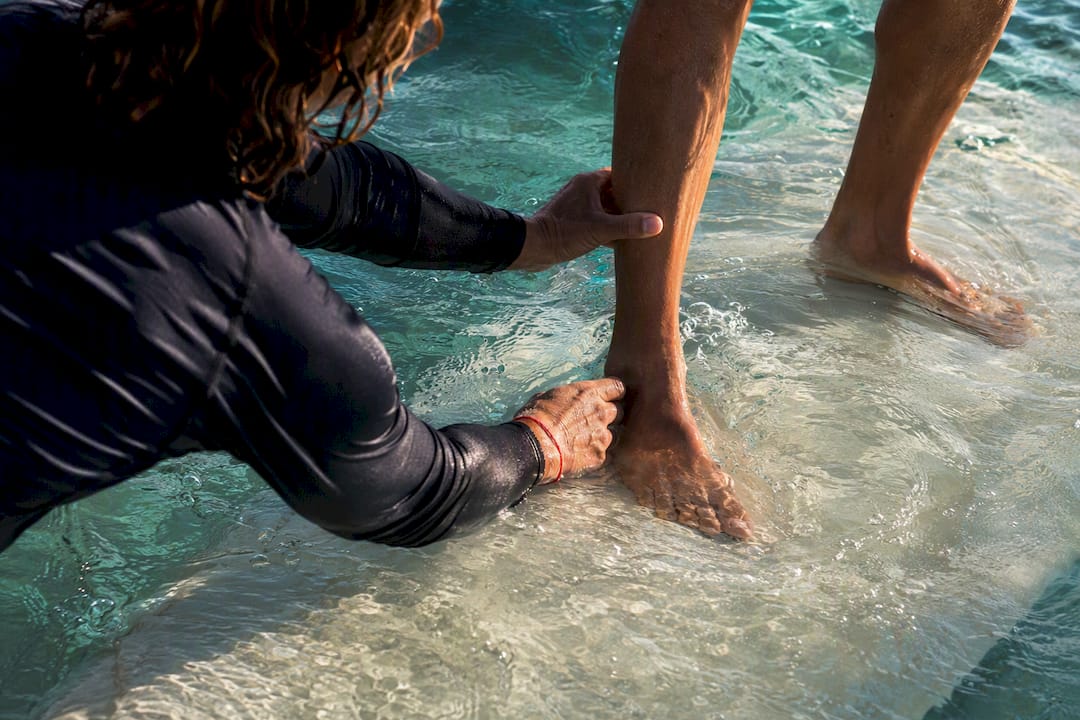
This matters most on your very first surf lesson or when you’re moving from SUP into surfing and need someone to correct the pop-up timing that paddleboarding never taught you.
A Practical Way to Try Both Without Overcommitting
Start with a SUP session if you want to build water confidence cheaply and quickly. Once you’re comfortable balancing and reading basic conditions, book a supervised surf lesson to tackle the pop-up and wave timing that SUP doesn’t teach. Respect the lineup, listen to your instructor, and skip crowded breaks until your pop-up is consistent. That sequence gets you real wave-riding skill without the frustration of learning everything at once.
— Johann
Ready to Trade the Comparison for the Real Thing?
Reading about SUP and surfing only gets you so far. Hans Hedemann Surf School turns that first wobbly attempt into a real standing ride, often within your first lesson, using small class sizes and instructors who spot your mistakes before they become habits. Lessons include board and gear, optional photo or video packages, and instruction designed to support beginners.
Whether you’re a first-time vacationer, a parent booking for the whole family, or someone ready to move past paddleboarding into real wave riding, there’s a lesson format built for it. Check available times and book a beginner surf lesson in Waikiki to get started.
Sources
- Surf vs SUP – 12 Differences You Should Know (+FAQ Answered)
- Surfing vs SUP — Wave Riding or Versatile Paddling?
0 Comments