
For beginners and comfort-focused surfers, summer is usually the better call. For experienced surfers chasing bigger, emptier waves, winter tends to win. Match the season to your ability, check your local swell calendar, and treat winter as a goal to train toward rather than a starting point.
TL;DR:
- Winter surfing offers significantly more power and longer rides, but also presents stronger rip currents, colder water, and reduced daylight hours.
- Cold water limits session times to about 45 to 60 minutes even with well-insulated wetsuits, requiring careful planning and gear management.
- Summer conditions favor beginners with smaller waves and warmer water, but involve crowded lineups and risks like sunburn, dehydration, and water quality issues.
- Surfers aiming to progress should focus on winter-specific drills like paddling endurance, pop-up reps under drag, and wave-reading to build necessary skills safely.
- Transitioning between seasons benefits from professional lessons to develop proper technique, safety awareness, and ensure readiness for bigger, winter swells.
Table of Contents
- Summer Surfing: Warm Water, Small Waves, and Crowded Lineups
- Winter Surfing: Bigger Power, Emptier Lineups, Real Hazards
- Who Should Choose Summer vs. Winter: A Skill-Based Checklist
- Seasonal Gear and Preparation: What Changes and Why
- Drills That Bridge Summer Skills Into Winter Readiness
- A Year-Round Approach to Progression
- Ready to Progress Between Seasons? Book a Lesson First
- Sources
Summer Surfing: Warm Water, Small Waves, and Crowded Lineups
Summer surf is forgiving. Wind swells and weaker groundswells dominate, water temperatures across northern temperate regions typically sit between 22 and 25°C, and that combination is exactly why summer is the recommended season for beginners. You spend less energy managing cold, more energy on paddling and pop-ups, and you can stay out for hours without a thick wetsuit weighing you down.
The tradeoff is company. Warm water and gentle waves pull everyone to the beach at once, and the main peak can turn into a scrum by mid-morning. Coaches who study wave count consistently point to the same fix: stop fighting for the main peak and work the secondary breaks instead. A dawn patrol session or a shoulder-hour paddle out often means more waves caught in less time, with far less traffic to dodge.
Summer brings its own smaller hazards worth planning around:
- Sunburn and dehydration from long sessions with no thermal barrier
- Water quality drops after heavy rain, especially near storm drains and river mouths
- Flat spells that stretch for days when the swell window closes
None of these are dangerous the way winter hazards are, but they’ll wreck a session if you ignore them. Longer time in the water, easier gear, and a gentler learning curve make summer the season where fundamentals actually stick.
Pro Tip: Check the tide and wind forecast the night before, not the morning of. Summer wind swells shift fast, and a clean 7 a.m. session can turn choppy by 9.
Winter Surfing: Bigger Power, Emptier Lineups, Real Hazards
Winter waves come from a different source entirely. Storms churning far out at sea generate long-period groundswells, and by the time that energy reaches the coast it’s often carrying two to three times the power of a typical summer swell. That extra energy produces longer, better-shaped rides, and it scares off enough casual surfers that lineups thin out fast.
It also raises the stakes. Rip currents run stronger, water temperatures drop, and daylight hours shrink, which compresses your window to paddle out, catch waves, and get back to shore before conditions or light turn against you. Cold water saps reflexes faster than most surfers expect.
In water around 8 to 10°C, even a 5/4mm wetsuit with full accessories only buys you about 45 to 60 minutes before cold-related fatigue starts slowing your pop-ups and dulling your judgment.
That’s the number to plan around, not a session length to push past.
Winter can fast-track an intermediate or advanced surfer’s progress. Bigger, more organized waves teach wave-reading and positioning that small summer surf simply can’t. But beginners should treat winter as a destination, not a starting line. If you do go, build in guardrails:
- Spend 20 to 30 minutes watching the lineup before paddling out, mapping swell direction, wind, and visible rip channels
- Never paddle out alone in winter surf, even at a spot you know well
- Set a hard exit time before you enter the water and stick to it regardless of how the session is going
Who Should Choose Summer vs. Winter: A Skill-Based Checklist
Before picking a season, run through four questions honestly: How’s your ability level? How’s your paddling fitness? Are you willing to invest in cold-water gear? And how much crowd or cold can you actually tolerate for a full session?
Your answers usually sort you into one of these profiles:
- Beginner: Summer, no contest. Smaller waves and warm water let you focus on standing up and reading whitewash without fighting the cold or getting rattled by power you’re not ready for.
- Progressing intermediate: Late summer into early autumn. Swells start building, crowds thin slightly, and water is still warm enough to skip the thick wetsuit.
- Advanced or big-wave-curious surfer: Winter. You want the power, the longer rides, and the emptier lineup that only a real groundswell delivers.
- Traveling surfer chasing empty water: Winter, but only at spots with a winter season that matches your ability. Empty lineups exist because the waves scared people off, not because the spot got quieter for no reason.
Before you attempt winter surf at all, you should have consistent duck dives, confident turns held for a minute or two, and paddling endurance that doesn’t fade after twenty minutes. Skip any of those, and winter will humble you fast.
Seasonal Gear and Preparation: What Changes and Why
Wetsuit thickness should track water temperature, not the calendar. Warm summer water (22 to 25°C) often needs nothing thicker than a spring suit or a 2mm top. As temperatures fall toward 8 to 10°C, you’re into 5/4mm territory with boots, a hood, and gloves, and your session length shrinks accordingly, generally to that 45 to 60 minute window.
Board choice shifts too. In weak summer surf, adding roughly 2 to 4 liters of volume with a flatter rocker and fuller outline helps you catch waves that would otherwise slide right under you. In winter, prioritize paddle efficiency over volume. A bulky wetsuit already slows you down, so a board that paddles well matters more than one built purely for float.
Build a pre-session routine and stick to it:
- Spend 20 to 30 minutes on the beach checking swell period, direction, wind, and the tide window before you commit to paddling out
- In cold water, set your exit time before you enter, not after you’re already tired
- Rinse and dry gear fully after every session. Neoprene left damp in heat breaks down fast, and wax that’s right for summer turns to soup in winter cold, so switch formulas with the season
Pro Tip: Store wetsuits on wide hangers, never folded. A creased wetsuit loses flexibility exactly where you need it most, at the shoulders and knees.
Drills That Bridge Summer Skills Into Winter Readiness
The surfers who transition into winter cleanly are usually the ones who trained specific things in summer, not just logged hours. Paddling interval sets, pop-up reps done under a weighted or bulky shirt to simulate wetsuit drag, and wave-reading sessions spent just watching sets from the beach all pay off later when conditions get serious.
Before tackling winter surf, ask any coach two direct questions: what’s your safety check for this specific break, and what’s the turnout plan if conditions change mid-session? At Hans Hedemann Surf School, instruction focuses on building those fundamentals fast, so students spend less time guessing and more time in position for the next set. Structured feedback from someone who reads the wave before you paddle shortens the learning curve more than another season of trial and error ever will.
- Paddling interval sets, three or four times a week, to build the endurance winter demands
- Pop-up reps under added drag to mimic wetsuit bulk
- Beach-side wave-reading sessions where you identify sets before they break
A Year-Round Approach to Progression
Use summer for volume: log sessions, build paddling fitness, and let fundamentals become automatic while the water is warm and forgiving. Save winter for targeted pushes once those fundamentals hold under pressure. Respect local knowledge and posted hazards every time, because the same swell that thrills one surfer can overpower another at the exact same break. Set a real goal, book a lesson around it, and track your sessions so progress isn’t just a feeling.
— Johann
Ready to Progress Between Seasons? Book a Lesson First
Surf schools give you what a forecast and a wetsuit chart can’t: someone in the water reading conditions with you, correcting your pop-up in real time, and telling you honestly whether you’re ready for bigger surf yet. That kind of direct feedback is what actually separates a surfer who spends years stuck in whitewater from one who’s confidently riding real swell within a season.
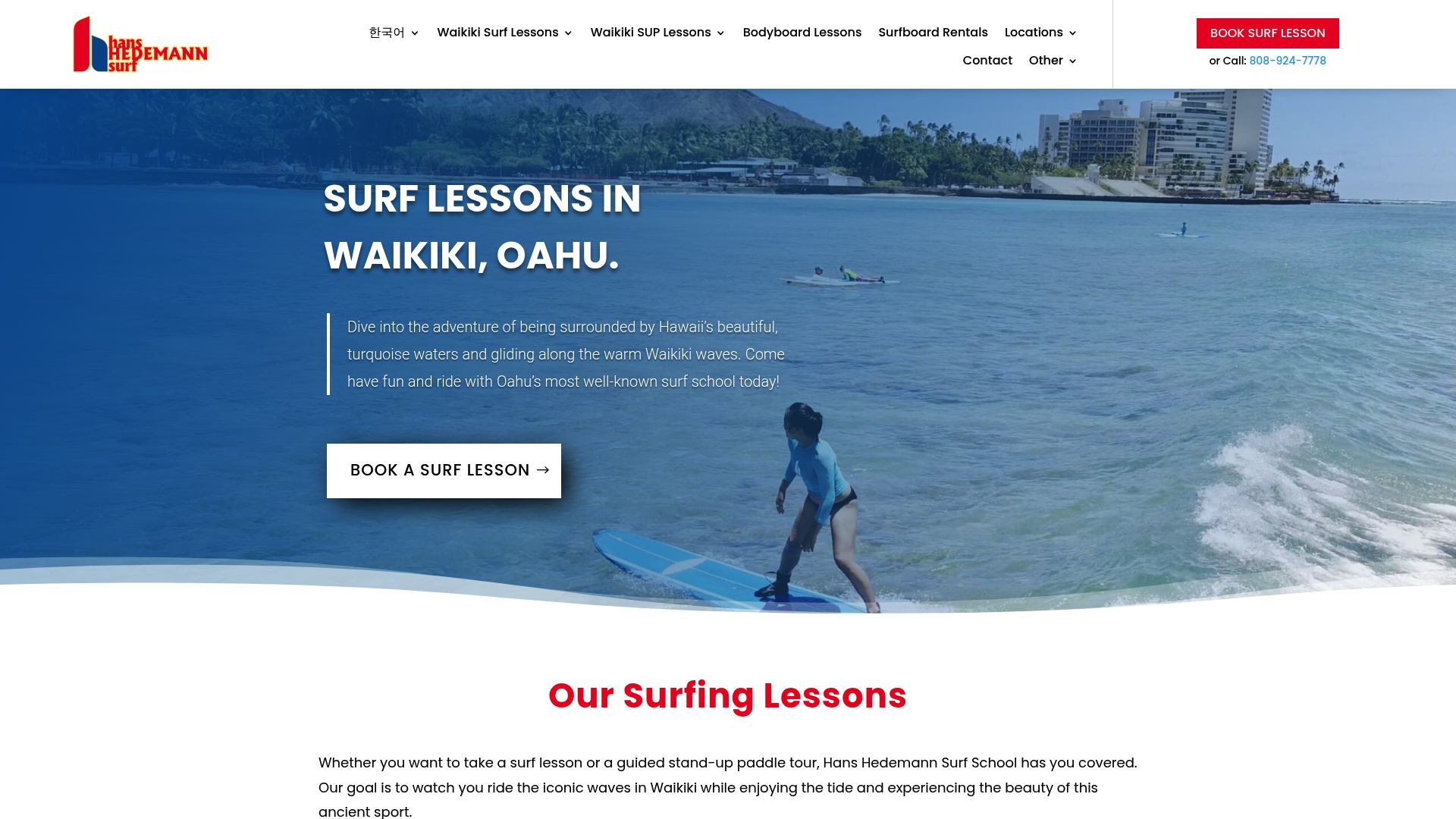
Waikiki’s warm, beginner-friendly water makes it a smart place to build the fundamentals covered above before you ever think about winter surf elsewhere. Whether you’re catching your first wave or sharpening technique before a bigger trip, a private surf lesson or a spot in a group class gets you direct coaching instead of guesswork. Check availability and book a surf lesson to start building the skills that make every season, not just summer, worth paddling out for.
Sources
- Summer vs. winter surfing: Choosing the right season for you
- Surfing the North Oregon coast in winter: use winter wisdom
- Carve Summer Surfboard Guide 2026
- Wetsuit guide — how to choose the right wetsuit
0 Comments