by Hans | Oct 24, 2026 | General
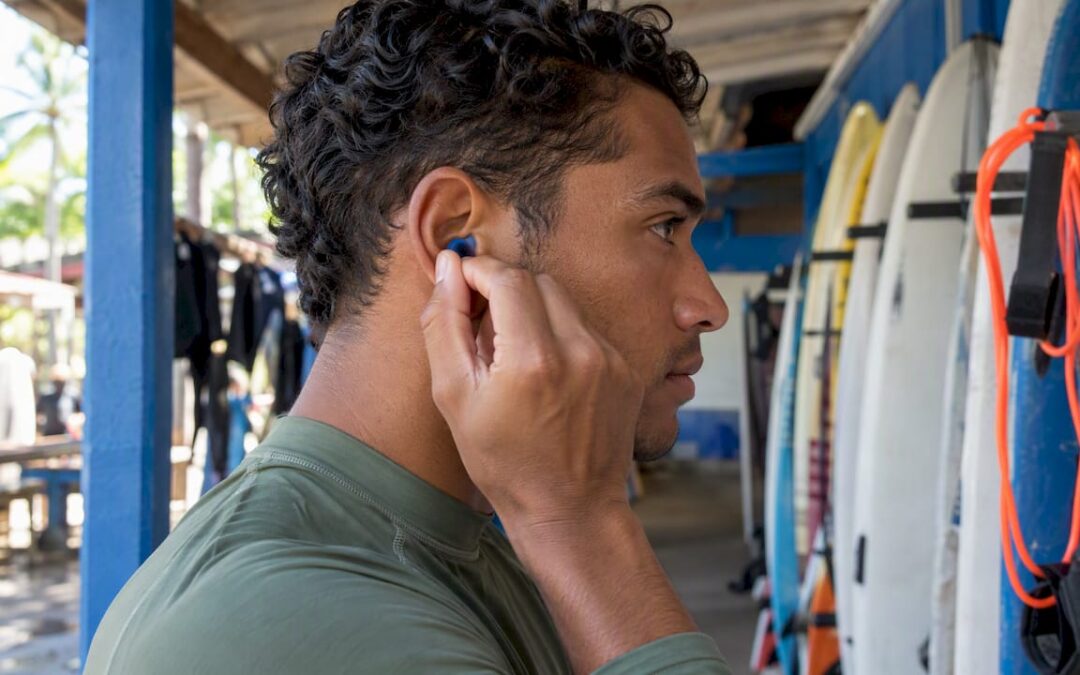
The most direct way to prevent surfer’s ear is to keep cold water and wind out of your ear canals every time you surf, using water-sport earplugs, and a neoprene hood when it is properly cold. Then dry your ears after each session. Surfer’s ear is slow bony growth...
by Hans | Oct 23, 2026 | General
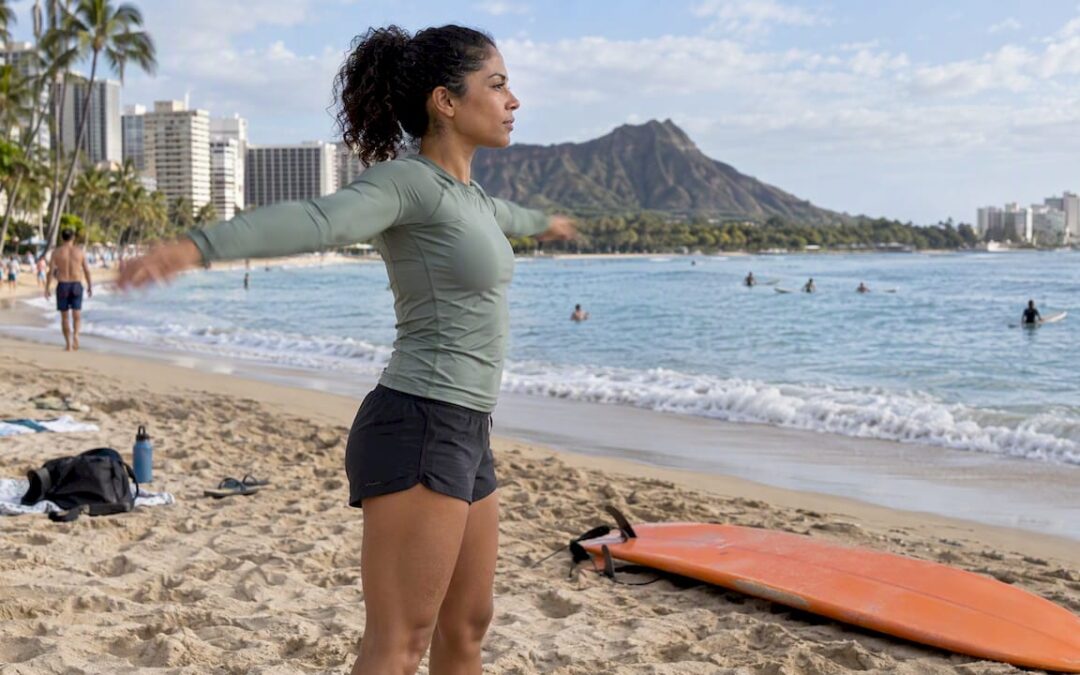
The best surf warm-up is about 10 minutes long and has two parts. First, 3 to 5 minutes of easy cardio to get warm. Then 5 to 10 minutes of dynamic moves that copy paddling and popping up: arm circles, trunk rotations, lunges with a twist, a few cobra-to-squat...
by Hans | Oct 22, 2026 | General
Offshore wind blows from the land out to sea. Onshore wind blows from the sea toward the land. For surfers, offshore usually means cleaner, better-shaped waves and onshore usually means choppy, crumbly ones. For wind energy, the same two words describe where turbines...
by Hans | Oct 21, 2026 | General
The best breath training for surfing is mostly not breath-holding. It is aerobic fitness, calm slow breathing on dry land, and learning to stay relaxed when a wave pushes you under. The popular tricks, like deep “cleansing” breaths before you paddle out or long...
by Hans | Oct 20, 2026 | General
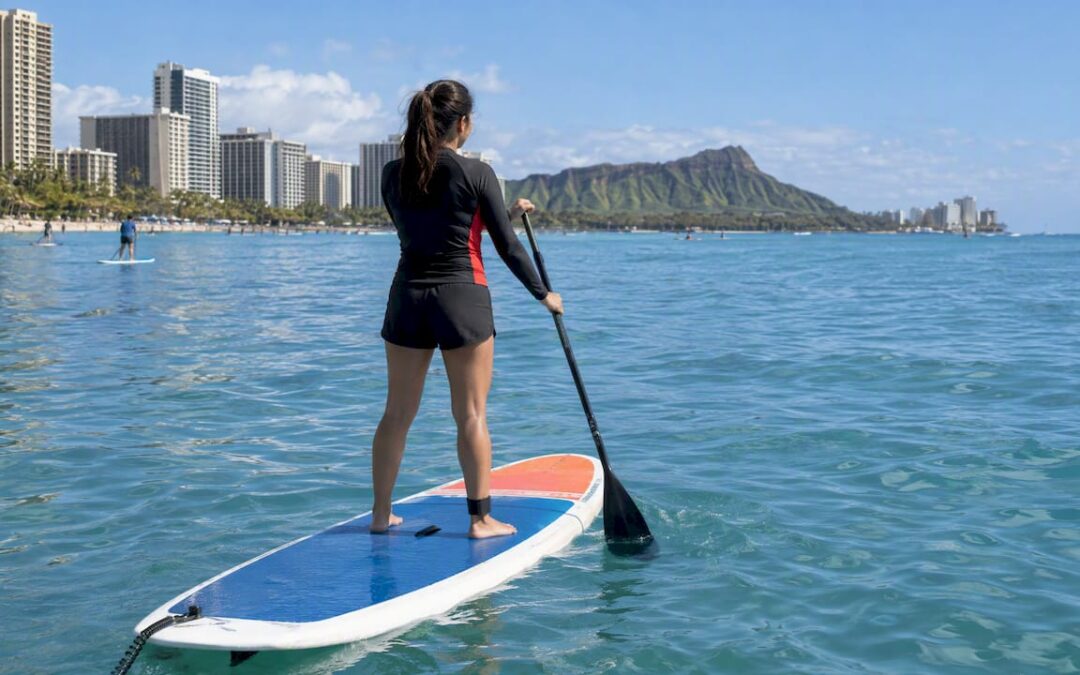
The best paddle board stance for beginners is a neutral one: feet parallel, about hip-width apart, centered on either side of the carry handle, toes pointing forward, knees soft, eyes on the horizon. Nearly every other balance tip is a variation on that one position....
by Hans | Oct 19, 2026 | General
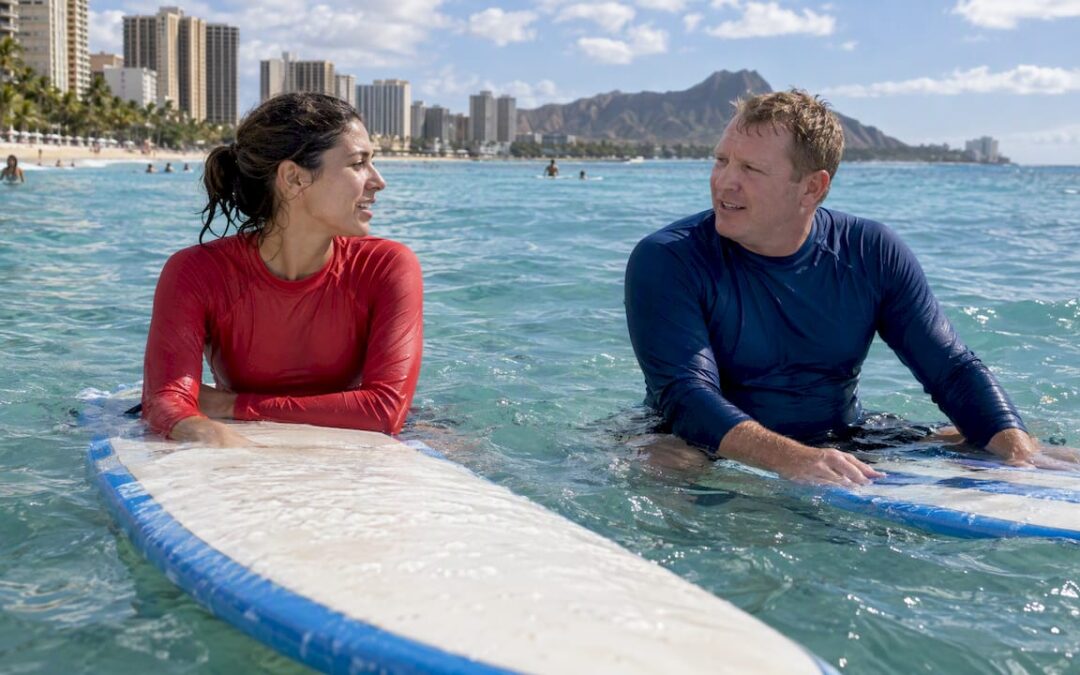
Surf therapy can lift mood, ease stress and anxiety, build confidence and give people a sense of belonging. The research is promising but still young, and the strongest results come from structured programs, mostly with veterans and young people. It works as a...
by Hans | Oct 18, 2026 | General
Reading a wave means working out, from the beach, where it will start to break, which way it will peel, how hard it will hit and whether it suits your level. You can learn the basics in a single afternoon of watching the water. Below are the parts of a wave, how to...
by Hans | Oct 17, 2026 | General
Most beginners stand up in their first lesson, but riding unbroken waves on your own usually takes weeks to months. Two things move that window most: how intensive your coaching is and how often you get in the water. Follow USLA safety guidance, and consider coached...
by Hans | Oct 16, 2026 | General
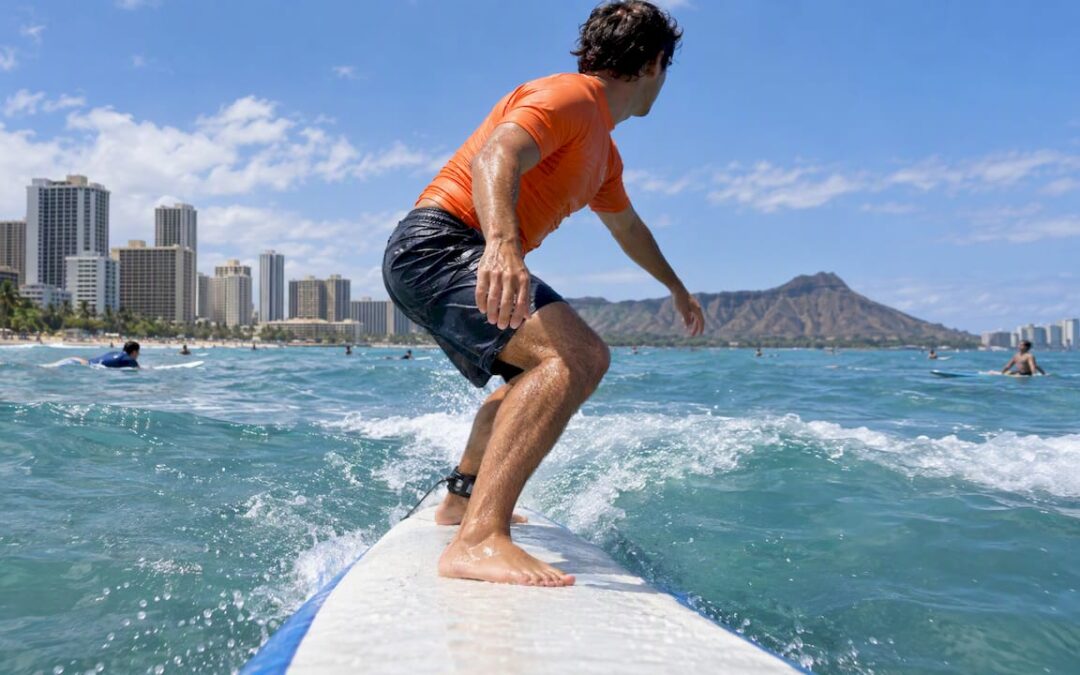
Put your front foot near the middle of the deck over the stringer, and your back foot over the fins or tail pad. Use the fall-forward test to learn which foot leads. The front foot sets direction and balance, while the back foot drives speed and turns, so move it when...
by Hans | Oct 15, 2026 | General
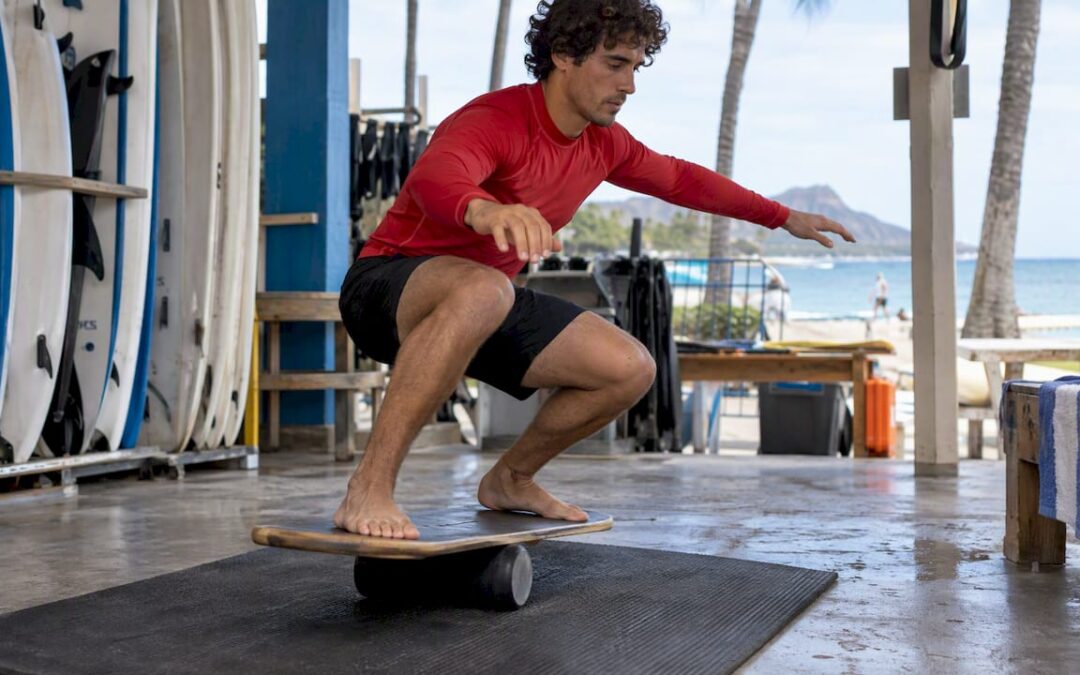
The most effective off-water preparation for surfing combines targeted proprioceptive drills, core and single-leg strength, and controlled instability work on tools like TRX or a balance board, since research ties these methods to measurable gains in balance...