
Most Waikiki surf lessons supply the basics, including a board, leash, and rash guard, and many schools throw in reef or water shoes as well, but policies differ from school to school. Your best move is to check your booking confirmation for exact inclusions. If you want a guaranteed fit or extra peace of mind, packing your own reef or water shoes is a smart, low-cost backup.
TL;DR:
- Check your confirmation or message the school about shoe availability, sizes, and the meeting spot, since inclusions and entry conditions vary by provider.
- Wear closed toe, quick drying shoes with a secure heel and puncture resistant soles when low tides expose reef, rocks, or sea urchins near entry.
- Bare feet improve board feel, but beginners can wear shoes through rocky entry and remove them over open sand if the instructor approves.
- Try shoes on wet feet while standing; snug heel retention prevents slipping, while an overly tight fit can pinch during a two hour lesson.
- Shoes reduce accidental stings, but they do not make standing on coral safe; instructors advise keeping feet off the reef to protect it.
Table of Contents
- What most Waikiki surf lessons include
- Reef shoes, water shoes, or bare feet: what works best in Waikiki
- Booking checklist: what to pack and what to ask
- Why reef protection shapes footwear guidance in Waikiki
- Getting the sizing and fit right
- Caring for your surf shoes after a day in saltwater
- Going barefoot: when it works and when it doesn’t
- Why we include gear, and how it helps beginners progress faster
- Book a lesson and let us handle the gear
- FAQ
- Sources
What most Waikiki surf lessons include
When you book a surf lesson in Waikiki, you’re typically signing up for more than just board time. Most lesson packages bundle equipment and instruction together so you show up ready to paddle out without renting gear separately.
Standard inclusions across most schools look like this:
- A soft-top surfboard suitable for your skill level
- A leash to keep the board tethered to your ankle
- A rash guard for sun and board-wax protection
- A land-based safety briefing before you enter the water
- Reef or water shoes at many schools
Schools bundle gear for practical reasons. Matching boards and shoes to body size takes time, and standardizing equipment lets instructors focus on teaching rather than sorting rental inventory mid-lesson. It also keeps the experience consistent: every student in a group class starts with the same setup, which makes coaching easier.
That said, inclusion lists vary by provider and by lesson type. Some booking pages spell out gear line by line, while others mention equipment in general terms. Before you pack, it’s worth scanning your confirmation email or the lesson equipment page for your specific school to see whether reef shoes are named outright. If footwear isn’t mentioned, a quick message to your school clears it up fast.
Reef shoes, water shoes, or bare feet: what works best in Waikiki
Surfers debate footwear constantly, but for beginners in Waikiki, the calculation is simpler than it looks. Reef and water shoes exist to solve a specific problem: getting in and out of the water safely when the bottom isn’t sand the whole way.
Here’s what footwear does well for someone new to surfing:
- Protects your feet from coral, rock, and sea urchins during entry and exit
- Reduces the chance of cuts or scrapes if waves push you onto a shallow reef shelf
- Improves traction on slick, algae-covered rocks near the shoreline
The tradeoff is real too. Shoes reduce how much you can feel the board under your feet, which matters more once you’re trying to find your balance and pop up. That’s why experienced surfers almost always go barefoot. For a first or second lesson, though, board feel matters less than staying upright and uninjured while you learn the basics.
Footwear becomes especially worth considering when the reef is exposed at lower tides, when your lesson meets near a rockier stretch of beach, or when conditions push the class closer to reef edges than usual. Conditions like these show up more at certain Waikiki breaks than others, so it helps to ask your school about the specific meeting spot in advance.
If you decide to bring your own, look for a closed-toe design, a secure heel strap or snug ankle entry, a thin but puncture-resistant sole, and quick-draining material so they don’t turn into a soggy weight once you’re out of the water.
Pro Tip: Try your reef shoes on wet feet before your trip. A pair that fits fine dry can feel tight or slip at the heel once your feet are swollen from sun and saltwater.
Booking checklist: what to pack and what to ask
A little prep the night before your lesson saves you from scrambling at check-in. Keep your packing list short and focused on what you’ll actually use.
- Swimwear you can move in, plus a rash guard if your school doesn’t provide one.
- A towel and a reusable water bottle for before and after your session.
- Reef-safe sunscreen, applied well before you arrive at the beach.
- A hat and a change of clothes for after the lesson.
- Optional reef or water shoes if you’d rather not rely on rental sizing.
Before you lock in a booking, it’s worth sending a short message with a few direct questions: “Do you provide reef boots or water shoes? What sizes do you carry? Would you recommend I bring my own for a better fit?” Schools that offer private or semi-private lessons can usually answer these with more precision than large group bookings, simply because there’s less gear to coordinate per instructor.
It also helps to ask about your lesson’s meeting spot and expected entry conditions, since tide timing affects how much reef is exposed on a given day. A quick look at typical lesson costs and booking details for your chosen school can round out what to expect before you arrive.
Why reef protection shapes footwear guidance in Waikiki
Waikiki’s reef isn’t just scenery. The Waikīkī Marine Life Conservation District covers the Diamond Head end of Waikīkī Beach, and parts of that reef can be exposed at certain tides and swells, creating both a hazard for swimmers and a conservation concern for the coral itself.
Local restoration work underscores how fragile this reef system is. The REEFrame restoration project documents reef locations near Waikīkī and notes that planners deliberately avoid high-energy surf zones to protect both coral and popular surf sites. That same sensitivity is why instructors steer students away from standing on coral, whether you’re wearing shoes or not. Footwear reduces the sting of accidental contact, but it isn’t a reason to treat the reef as a place to stand.
Waikiki’s beaches also benefit from steady lifeguard coverage, and instructors adjust their footwear guidance based on the day’s conditions rather than a fixed rule. Pairing that awareness with reef-safe sunscreen rounds out a responsible approach to a morning in the water: protect your skin, protect your feet when conditions call for it, and protect the reef by keeping your feet off it whenever you can.
Getting the sizing and fit right
Rental reef shoes work best when they fit snugly without pinching, since a loose shoe can slip off during a wipeout and a tight one can cut off circulation during a two-hour lesson. If your school offers sizing on-site, try shoes on while standing, not sitting, since your foot spreads slightly under weight.
Pay attention to the heel. A shoe that rides up when you walk will almost certainly do the same when a wave knocks you off balance. Look for an adjustable strap or a stretch-fit opening that holds your heel in place rather than a loose slip-on style. If you’re bringing your own pair, travel guidance on Hawaii footwear recommends closed-toe, quick-drying water shoes with a secure fit, a style that works as well for a surf lesson as it does for exploring tide pools later in your trip.
Kids need extra attention here. A child’s foot can grow or simply run smaller than expected for their age, so if you’re booking a family lesson, mention your child’s shoe size when you confirm the reservation rather than guessing on the day. A snug, slightly smaller fit is usually safer than a loose one that could come off underwater.
Caring for your surf shoes after a day in saltwater
Saltwater is hard on footwear, and skipping a quick rinse shortens the life of just about any reef or water shoe. Rinse yours in fresh water as soon as you can after your lesson, paying attention to the inside lining where sand and salt tend to collect.

Let them air dry out of direct sunlight. Direct heat can break down rubber soles and neoprene stitching faster than normal wear does, so a shaded spot with good airflow works better than leaving them on a hot balcony rail. If you packed your own pair for a multi-day trip, giving them a rinse after each session keeps them from developing an odor by the end of the week.
Check the soles and straps periodically for signs of wear, especially if you’re using the same pair across several lessons or activities. A strap that’s starting to stretch out is worth replacing before your next trip rather than discovering it’s failed mid-lesson.
Going barefoot: when it works and when it doesn’t
Plenty of surfers, including most advanced ones, prefer bare feet for the direct board feel it gives them. If you’re booking a lesson at a sandy-bottom spot with calm, waist-deep entry and exit, going barefoot is a reasonable choice and won’t put you at meaningfully higher risk.
The calculation shifts once reef, rock, or urchins are part of the entry path. In those cases, bare feet trade a small gain in board sensitivity for a real chance of cuts or punctures, especially for a first-timer who isn’t yet reading the bottom conditions well. If you don’t have water shoes and your lesson meets somewhere with exposed reef, ask your instructor whether rental shoes are available on-site before deciding to go without.
There’s a reasonable middle ground, too: wear shoes for the walk in and out of the water, then kick them off once you’re past the reef shelf and paddling in open sand-bottomed water, if your instructor says conditions allow it. That way you get the protection where it matters most without sacrificing board feel while you’re actually surfing.

Why we include gear, and how it helps beginners progress faster
We outfit every beginner with standard gear, including reef or water shoes, because starting a lesson worried about your feet slows down everything else you’re trying to learn. Confidence in the water comes faster when the basics are handled before you paddle out.
Morning lessons tend to offer calmer, more consistent conditions for first-timers, which makes entries and exits smoother and easier to coach.
— Johann
Book a lesson and let us handle the gear
We supply the standard gear for every beginner lesson, including boards, leashes, rash guards, and reef or water shoes, so you’re not left guessing what to pack. If you’d rather bring your own footwear for a guaranteed fit, that works too. Our instructors can point you toward the right size before you ever step into the water.
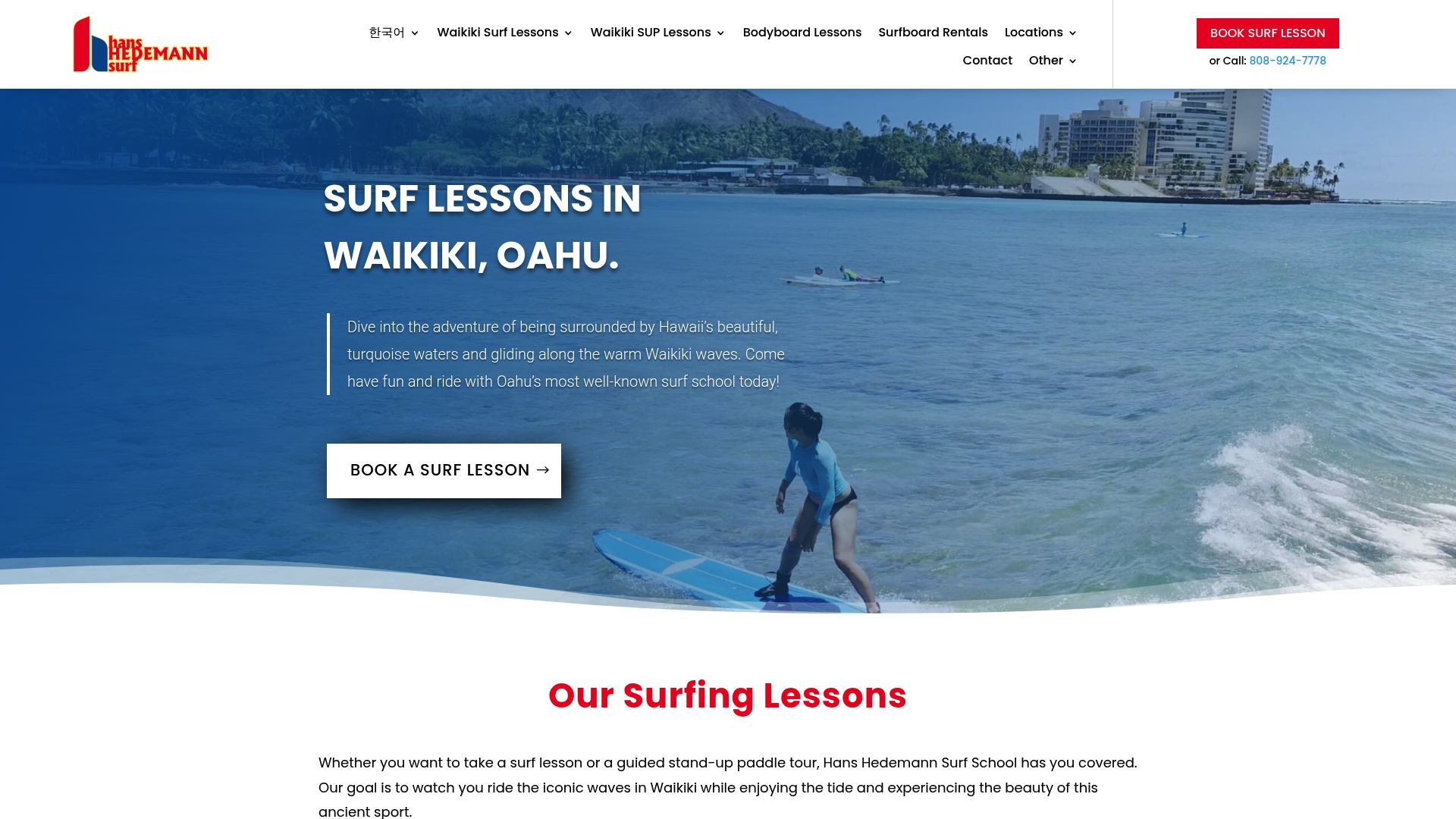
How you book shapes how much individual attention you get with sizing and fit:
- Group Lessons at $100 per person give you instruction alongside other beginners, with gear sized on-site.
- Semi Private Lessons at $150 per person mean more one-on-one time to dial in your board and footwear.
- Private Lessons at $180 per person and Surf with a Pro at $400 per person offer the most individualized fitting and coaching.
If you’d rather rent a board separately for extra practice outside your lesson, we also offer surfboard rentals in Waikiki at $60 per day. Check our surf lesson page for full details on what’s included and to reserve your spot.
FAQ
Do you tip surf instructors in Hawaii?
Tipping isn’t required, but it’s a common way to thank an instructor for a good lesson. Many visitors tip in the 15% range or a flat amount per hour, and more detail on local tipping norms can help you decide what feels right for your group.
How much does a surf lesson cost in Waikiki?
Prices vary by lesson type and group size, with group lessons generally the most affordable option and private or pro-led lessons costing more for individual attention. You can see a full breakdown of typical lesson costs and what’s included at each price point before you book.
What to wear during a surfing lesson?
Wear swimwear you can move freely in, and add a rash guard if your lesson doesn’t already include one, since it protects your skin from sun and board wax. Apply reef-safe sunscreen before you arrive, and check our attire and sunscreen timing guidance for exact timing recommendations.
What is the best surf school in Hawaii?
The right school depends on what you’re looking for, whether that’s a fast learning curve, small class sizes, or flexible scheduling. We built our approach around individual attention and a track record of helping most beginners stand up on their first lesson, which makes us a strong option if that’s your priority.
Do Waikiki surf lessons include reef or water shoes?
Many Waikiki surf schools include reef or water shoes as part of a standard lesson package alongside a board, leash, and rash guard, though this varies by provider. Always check your booking confirmation or ask directly, since private and semi-private lessons are generally more likely to offer personalized shoe fitting than larger group classes.
Sources
- Oʻahu – Waikīkī – Division of Aquatic Resources
- REEFrame restoration of coral reefs in Waikīkī – Office of Planning and Sustainable Development (PDF)
- What are the best shoes for a Hawaii vacation? You only need these three types!
0 Comments