by Hans | Oct 7, 2026 | General
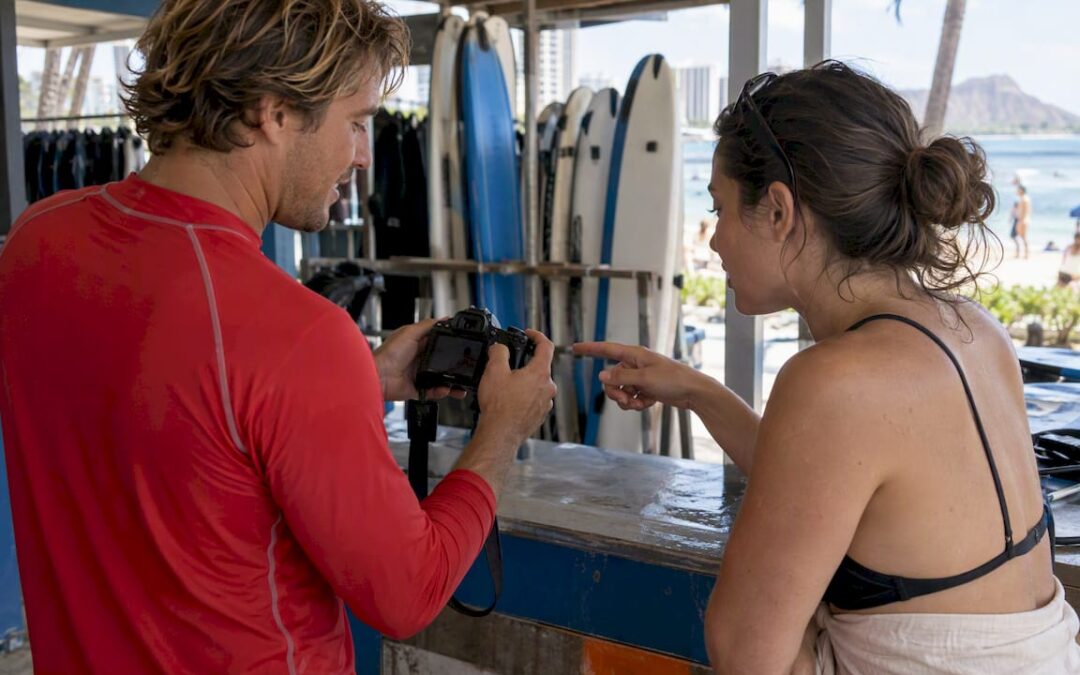
The photographer or surf school owns the copyright to your surf lesson photos the moment the shutter clicks, and buying a photo package usually hands you a personal-use license, not the copyright itself. That license typically lets you post, print, and share for...
by Hans | Oct 6, 2026 | General
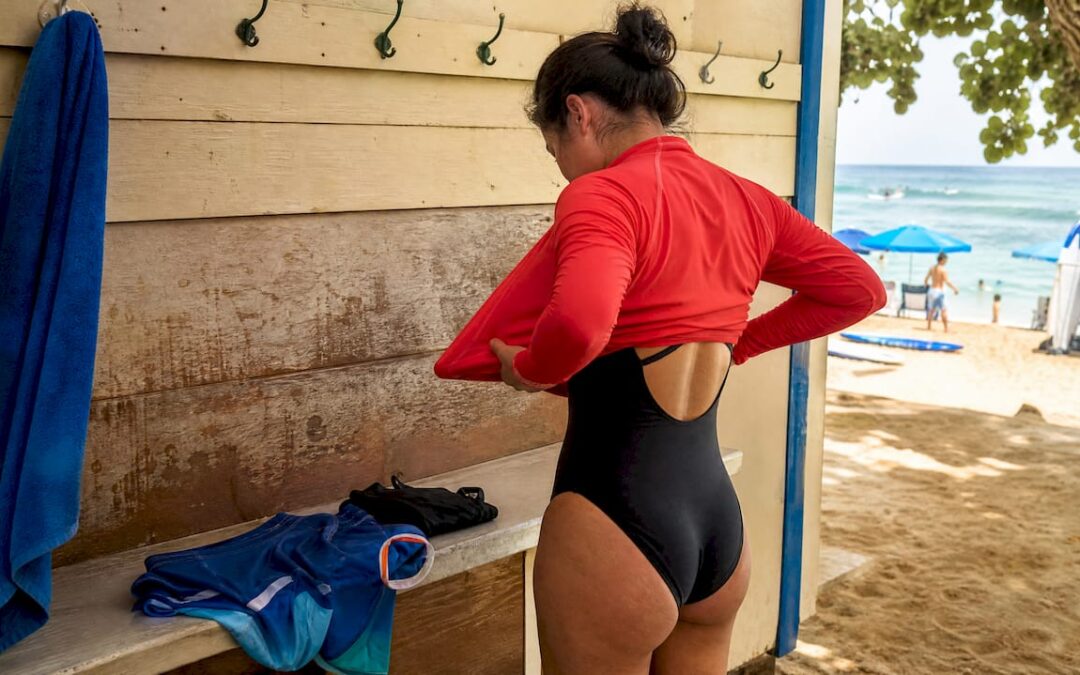
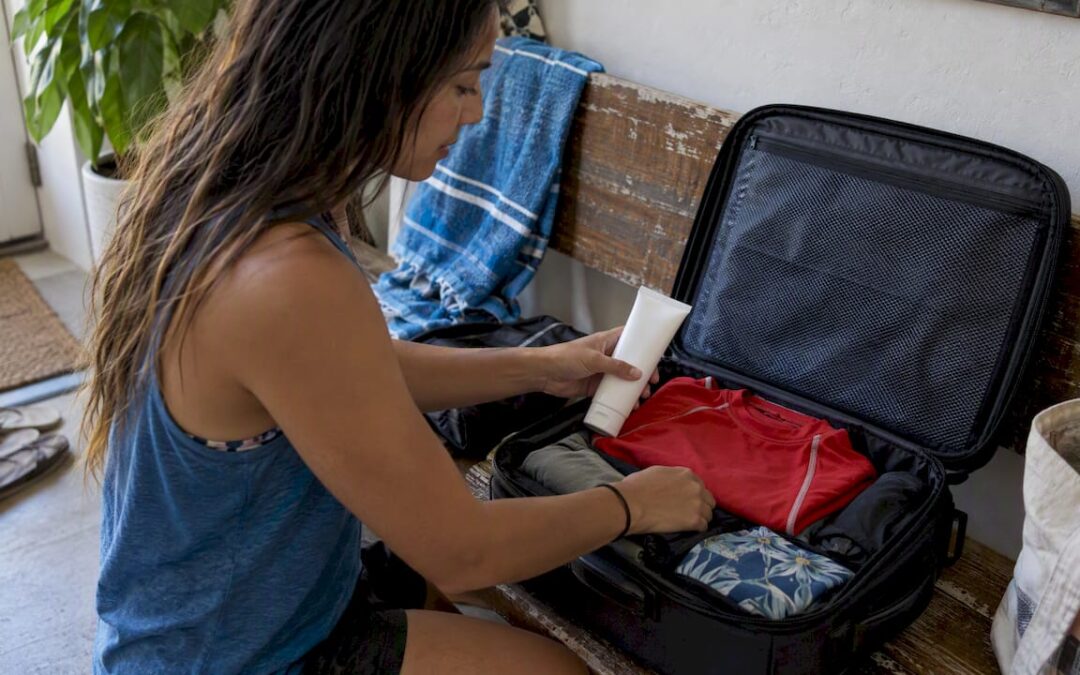
For a surf, SUP, or bodyboard lesson in Hawaii, wear a snug swimsuit or boardshorts with a UPF rash guard, apply reef-safe sunscreen 20 to 30 minutes before you arrive, and skip the jewelry. Bring a towel, water, ID, a waterproof phone pouch, and reef booties if you...
by Hans | Oct 5, 2026 | General
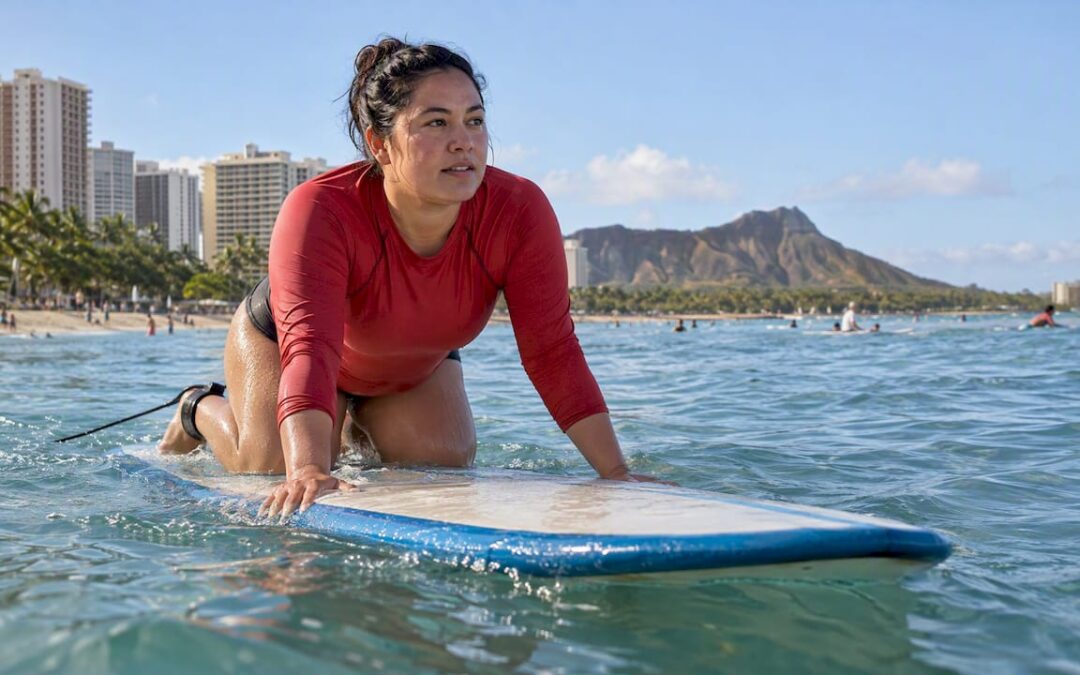
Waikiki is often crowded, especially at beginner zones like Canoes and Queens, where lesson groups stack up by mid-morning. The single best move is to paddle out before 9:00 AM and stick to a lifeguarded or supervised zone, or book a lesson if you are new to surfing....
by Hans | Oct 4, 2026 | General
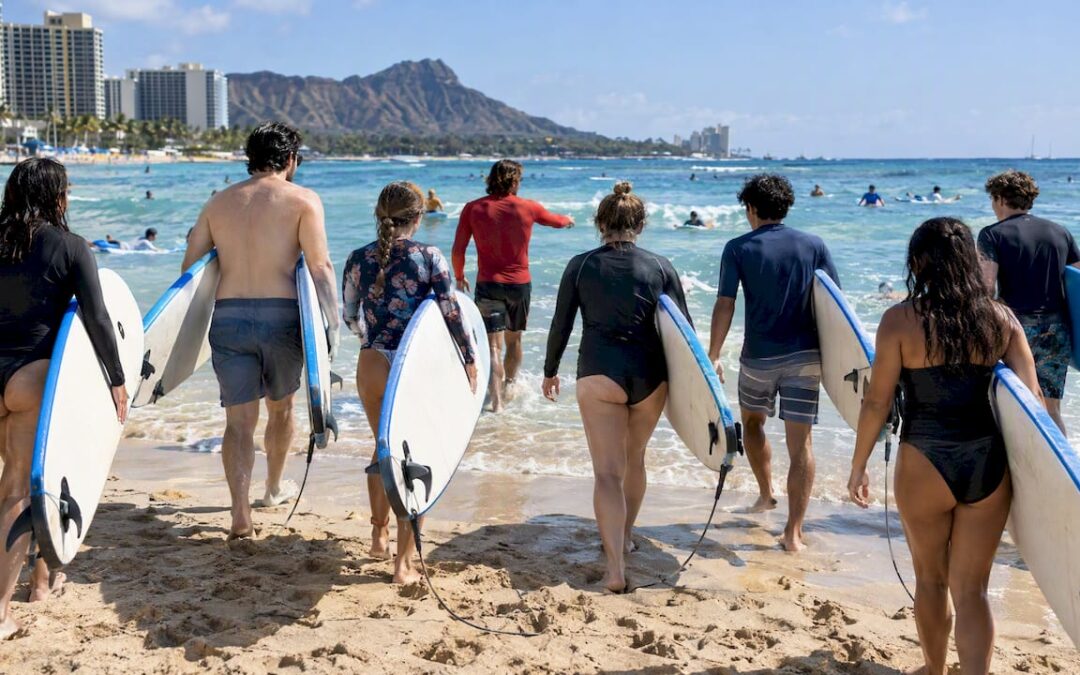
For groups in Waikiki, the highest-value activities are hands-on cultural workshops, guided water lessons in surf, SUP, or bodyboarding, canoe or private-charter sails, as well as scalable scavenger-hunt style team-building activities. Pick by group size and mobility,...
by Hans | Oct 3, 2026 | General
Every Hawaii surf trip runs on the same short list: mineral reef-safe sunscreen, a rash guard or two, a leash matched to your conditions, a plan for your board (bring it or rent it), a waterproof dry bag, basic first-aid supplies, and a habit of checking beach...
by Hans | Oct 2, 2026 | General
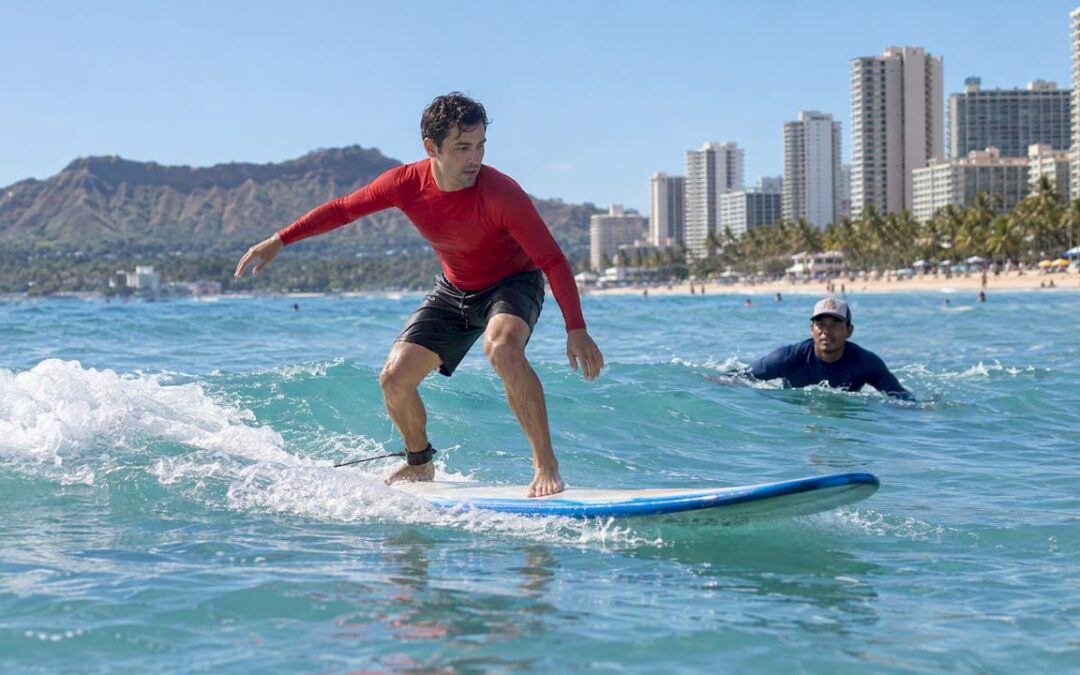
Canoes is the best surf lesson location in Waikiki for beginners, thanks to its long, forgiving waves that make standing up on the first try realistic. Book a small-group or private lesson rather than a large class, and aim for an early-morning session when winds are...