by Hans | Oct 1, 2026 | General
The best move for most couples is booking a private or semi-private surf lesson with a reputable Waikiki school rather than a large group class. You get direct coaching, a pace matched to two learners instead of ten, and a shared experience that actually produces more...
by Hans | Sep 30, 2026 | General
Arrive 15 to 30 minutes before your scheduled start time and head to the beachfront meeting point listed on your booking confirmation, whether that’s a kiosk, a storefront, or a specific boardwalk landmark. At check-in, staff verify your reservation, hand you a...
by Hans | Sep 29, 2026 | General
Book a morning lesson during the south-shore season, which is generally from spring through fall, and confirm conditions with your school 48 to 72 hours out. Lessons run year-round in Waikiki, but wave size and wind shift by month and by hour. Reserve your spot now,...
by Hans | Sep 28, 2026 | General
Most Waikiki surf lessons include a soft-top beginner longboard, an ankle leash, and a rash guard, and reputable local schools rarely expect you to bring your own board. You typically only need reef-safe sunscreen, secure swimwear, a towel, and water. Some Waikiki...
by Hans | Sep 27, 2026 | General
Group SUP lessons generally run in the $95 to $100 range per person, semi-private sessions tend to cost around $150, and private, one-on-one instruction ranges from about $180 to $400 depending on the instructor and format. Many visitors find a good balance of speed...
by Hans | Sep 26, 2026 | General
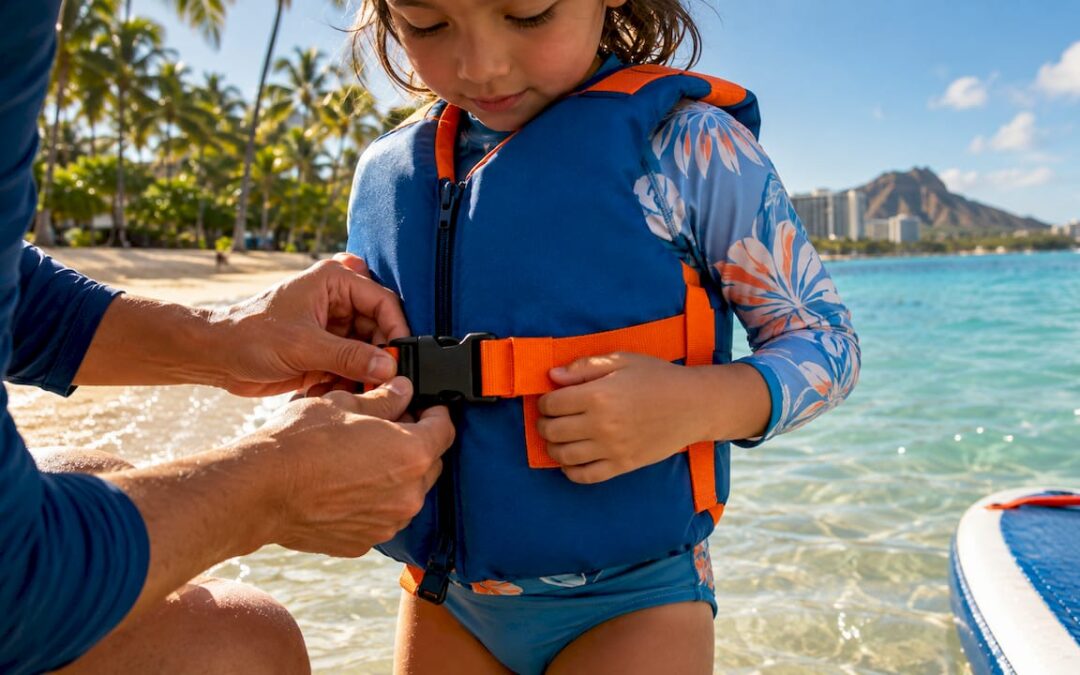
Book a family SUP lesson on a lifeguarded Waikiki beach with a provider that supplies properly fitted, USCG-approved life jackets and keeps a small instructor-to-family ratio. A provider like Hans Hedemann Surf School fits this profile: staged teaching, experienced...