by Hans | Oct 26, 2026 | General
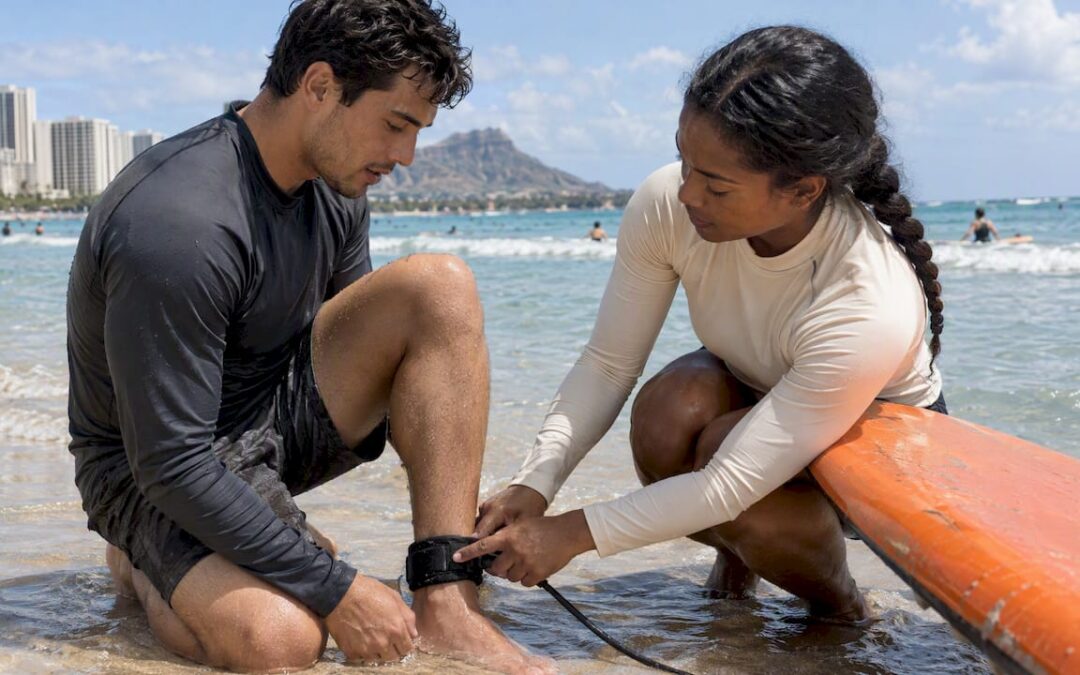
Most surfing injuries are preventable. You prepare your body before you paddle out, ride a board that suits your level, wear the few pieces of gear that matter, read the beach before you enter, and learn from an instructor who watches you the whole session. Below is...
by Hans | Oct 25, 2026 | General
The easiest way to carry a surfboard is under your arm, nose forward and tipped slightly down, fins tucked toward your body, with your hand wrapped around the rail on the waxed side. Hold the tail a little behind you, keep the board off the sand, and watch where the...
by Hans | Oct 24, 2026 | General
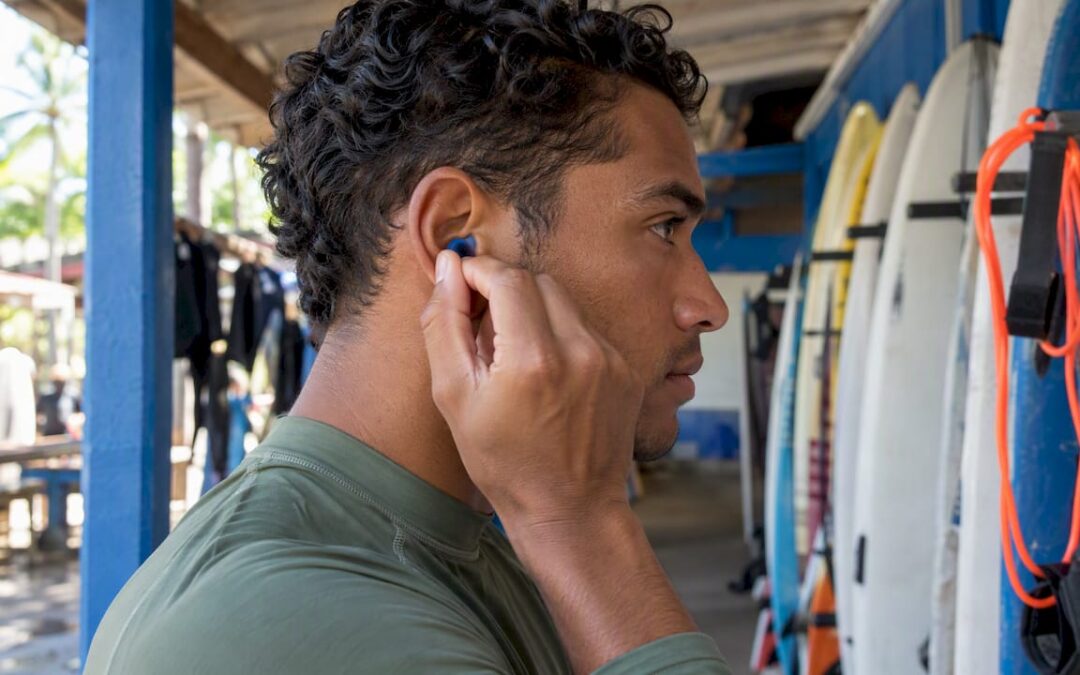
The most direct way to prevent surfer’s ear is to keep cold water and wind out of your ear canals every time you surf, using water-sport earplugs, and a neoprene hood when it is properly cold. Then dry your ears after each session. Surfer’s ear is slow bony growth...
by Hans | Oct 23, 2026 | General
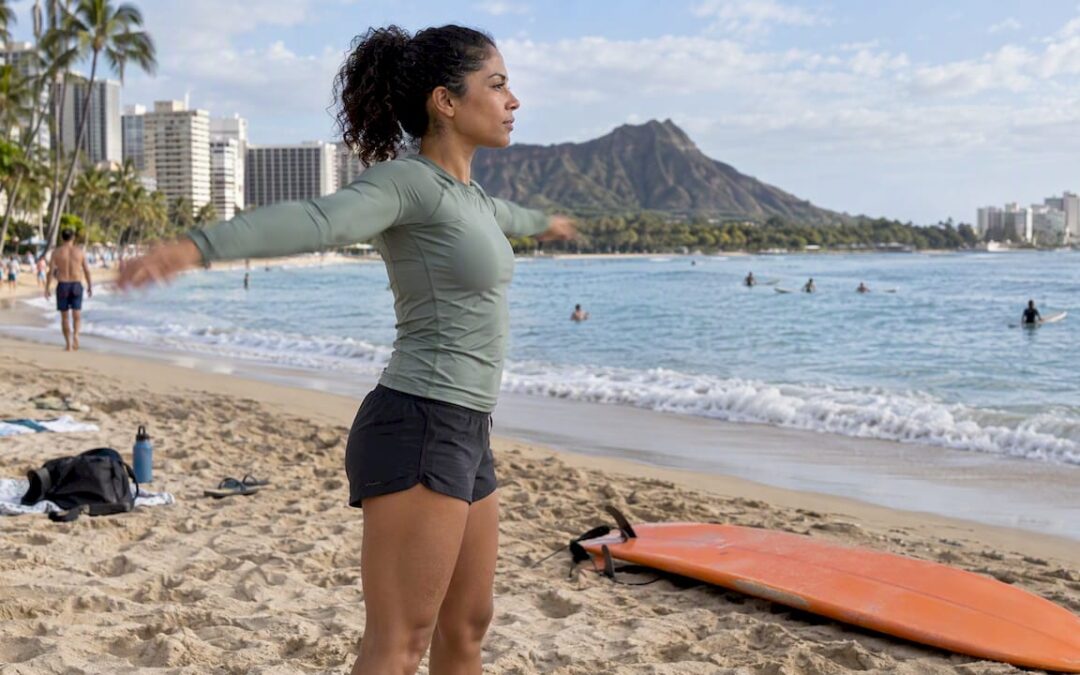
The best surf warm-up is about 10 minutes long and has two parts. First, 3 to 5 minutes of easy cardio to get warm. Then 5 to 10 minutes of dynamic moves that copy paddling and popping up: arm circles, trunk rotations, lunges with a twist, a few cobra-to-squat...
by Hans | Oct 22, 2026 | General
Offshore wind blows from the land out to sea. Onshore wind blows from the sea toward the land. For surfers, offshore usually means cleaner, better-shaped waves and onshore usually means choppy, crumbly ones. For wind energy, the same two words describe where turbines...
by Hans | Oct 21, 2026 | General
The best breath training for surfing is mostly not breath-holding. It is aerobic fitness, calm slow breathing on dry land, and learning to stay relaxed when a wave pushes you under. The popular tricks, like deep “cleansing” breaths before you paddle out or long...