
Outdoor adventure surfing is the practice of riding natural ocean waves on a surfboard, combining physical skill, ocean awareness, and mental focus into one of the most rewarding water sports on the planet. Known in surf culture simply as surfing, this outdoor pursuit draws beginners and thrill-seekers alike to coastlines worldwide, from Waikiki’s turquoise breaks to the powerful swells of California and beyond. Getting started requires more than just paddling out. You need the right techniques, a basic understanding of ocean conditions, and a clear sense of how to stay safe. This guide breaks all of it down so you can walk onto the beach with confidence.
What are the essential surfing techniques beginners need?
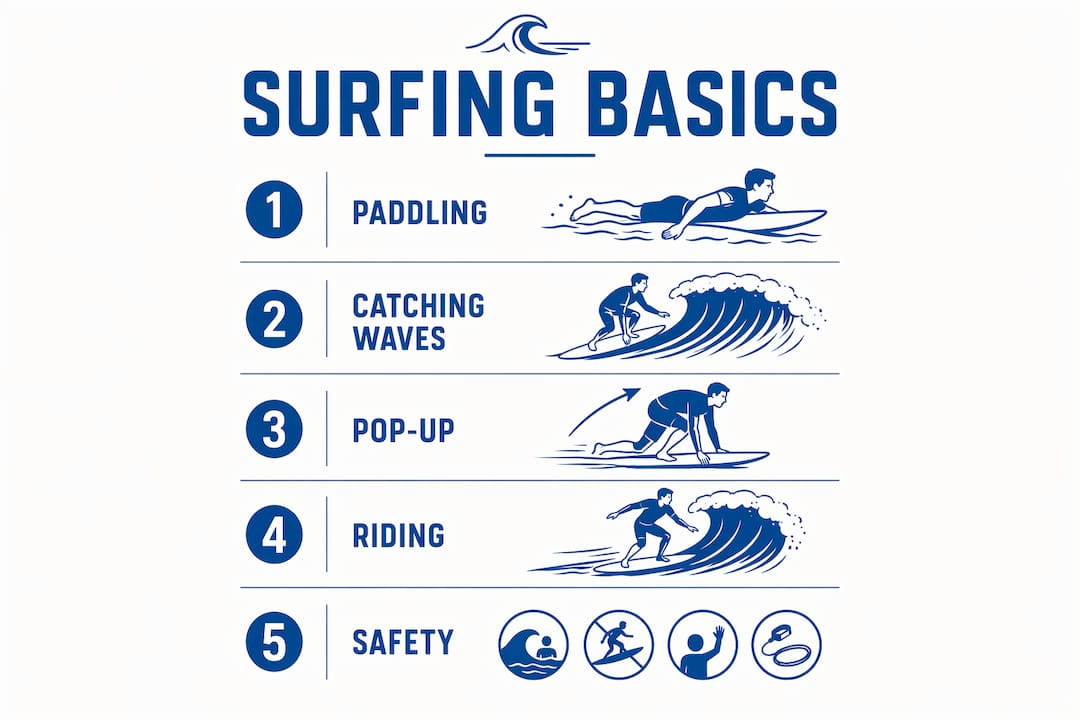
The foundation of outdoor adventure surfing is learning three core skills: paddling, catching waves, and the pop-up. Master these on small, forgiving waves and everything else builds naturally from there.
Choosing the right board is your first decision. Beginners should ride a soft-top longboard, typically 8–10 feet long. These boards offer maximum stability and buoyancy, which means more time standing and less time falling. A soft-top also reduces the risk of injury when the board hits you, which it will.
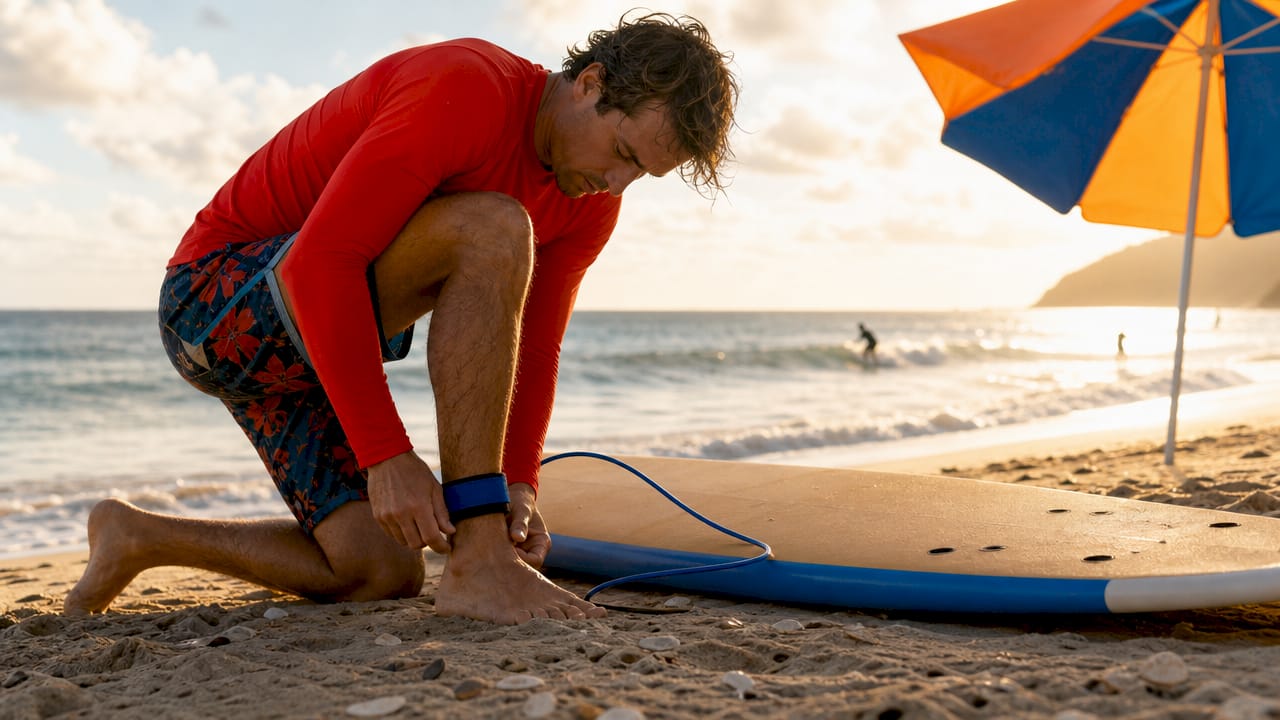
Starting in whitewater is the single most effective way to learn. Beginners learn best in whitewater waves on sandy, gentle beaches with active lifeguards present. Whitewater, the foamy water after a wave has already broken, moves toward shore in a predictable, manageable way. Knee-high to waist-high waves give you just enough push without overwhelming force.
Here is the step-by-step sequence every beginner should follow:
- Paddle out by lying flat on the board, centered front to back, and stroking through the water with your arms.
- Use short, powerful strokes. Expert Eric “Bird” Huffman notes that long inefficient strokes cause zig-zagging and wasted energy. Short, deep pulls keep you moving straight.
- Catch the wave by paddling hard as the whitewater reaches you, matching its speed so it picks up the board.
- Execute the pop-up by pushing up with your hands, then sliding your feet into position rather than jumping. Holding the rail and sliding your feet gives you three points of stability before you stand. The common “jump-to-feet” method causes most beginner wipeouts.
- Stand with feet shoulder-width apart, knees bent, arms out for balance, and eyes looking forward down the wave line.
Pro Tip: Practice the pop-up on dry land at least 20 times before entering the water. Santa Barbara Surf School instructors confirm that timing and coordination, not physical strength, are the main hurdles for beginners. Land drills remove the chaos of moving water so your body can learn the motion cleanly.
When paddling out through breaking waves, foam boards cannot duck dive under the water. Use the turtle roll instead. Flip the board sideways, curl your body underneath it, and let the wave pass over you. This technique keeps you from getting pushed back to shore on every set.
How do ocean conditions affect your surf session?
Reading the ocean is a skill that separates confident surfers from frustrated ones. You do not need a meteorology degree, but you do need to understand four key factors: swell type, swell period, wind direction, and tides.
Swell type and period matter more than raw wave height. Groundswells with periods of 12–20 seconds produce organized, powerful, rideable waves. Windswells with periods of 6–9 seconds produce choppy, disorganized surf that is harder to read and ride. A 3-foot groundswell is often more fun and more manageable than a 5-foot windswell.
Wind direction shapes the wave face directly. Offshore winds blow from land toward the ocean, grooming wave faces into clean, defined walls. Onshore winds blow from the ocean toward shore, creating choppy, crumbling wave surfaces. For beginners, offshore or calm conditions make reading and catching waves far easier.
Here is a quick reference for planning your sessions:
| Condition | Beginner-Friendly? | Why |
|---|---|---|
| Groundswell, 12+ second period | Yes | Organized, predictable waves |
| Windswell, 6–9 second period | No | Choppy and hard to read |
| Offshore wind | Yes | Clean, well-shaped wave faces |
| Onshore wind | No | Messy, crumbling surf |
| Knee to waist-high waves | Yes | Manageable power for learning |
| Overhead waves | No | Too much force for beginners |
Tides also shift wave quality significantly. Many breaks work best at mid-tide. Very low tides can expose shallow reef or rock, while very high tides can flatten waves entirely. Check a local tide chart alongside your surf forecast before heading out.
- Use surf forecast apps like Surfline or Magic Seaweed to check swell period, height, and wind direction before any session.
- Ask locals or surf school instructors about the best tide window for your specific beach.
- Watch the surf for at least 15 minutes before paddling out to observe where waves break and where channels exist.
What safety measures should beginners follow?
Safety in surfing is not optional. The ocean is a powerful, unpredictable environment, and the right habits protect both you and the surfers around you.
Choose the right beach. Beginners should surf at lifeguard-supervised beaches with sandy bottoms and gentle, consistent waves. Avoid rocky points, reef breaks, and crowded lineups until your skills are solid.
Key safety rules every beginner must follow:
- Always wear a leash. Your leash connects the board to your ankle. Never abandon your surfboard in the water. A drifting board is a dangerous obstacle for other surfers and swimmers.
- Respect right-of-way. The surfer closest to the peak of the breaking wave has priority. Do not drop in on someone already riding a wave.
- Know how to handle rip currents. If caught in a rip, do not fight it by swimming directly to shore. Paddle parallel to the beach until you exit the current, then swim in. Panic causes more danger than the current itself.
- Surf with others. Never paddle out alone, especially as a beginner. Having other surfers nearby provides both safety and guidance.
- Take a lesson first. Structured instruction from a qualified surf school dramatically reduces the risk of injury and bad habits.
Pro Tip: Before paddling out, identify the rip currents from shore. They appear as darker, calmer channels between breaking waves. Experienced surfers often use rips to paddle out faster. As a beginner, you want to avoid them until you understand how they move.
Surf etiquette is also a form of safety. Crowded lineups with poor etiquette lead to collisions. Give other surfers space, communicate clearly, and always call out if you are paddling for the same wave.
What makes surfing a unique outdoor adventure lifestyle?
Surfing is one of the best outdoor adventure activities because it extends far beyond the wave itself. The sport connects you to tidal rhythms, local culture, and a global community that shares a deep respect for the ocean.
“The best surf trips aren’t just about the waves. They’re about the energy of a place, the people you meet, and the way the ocean makes you feel.” — Lac Campbell, Rise Up Surf Retreats
The lifestyle of surfing blends connection to nature, local culture, adventure travel, and physical fitness into a pursuit that rewards patience and consistency. This is what separates surfing from most other outdoor sports for thrill-seekers.
- Physical fitness: Surfing builds shoulder strength, core stability, balance, and cardiovascular endurance. Cross-training for surfers through yoga, swimming, and strength work accelerates your progress in the water.
- Mental growth: Patience, timing, and reading the ocean develop a kind of situational awareness that carries into daily life.
- Adventure travel: Planning a surf trip around swell forecasts, local breaks, and surf culture adds a layer of purpose to travel that standard tourism rarely delivers.
- Community: Surf lineups, beach towns, and surf schools create tight-knit communities. Beginners who learn alongside others progress faster and enjoy the process more.
Wake surfing, performed behind an inboard-engine boat on larger boards without bindings, offers a calmer entry point for those not yet ready for ocean waves. It builds the same balance and pop-up skills in a controlled environment.
Key Takeaways
Outdoor adventure surfing rewards beginners who combine proper technique, ocean knowledge, and safety discipline from their very first session.
| Point | Details |
|---|---|
| Start in whitewater | Use a soft-top longboard on knee-to-waist-high foam waves at a lifeguarded beach. |
| Master the pop-up | Slide feet into position using the rail-hold method rather than jumping to avoid early wipeouts. |
| Read swell period, not just height | Groundswells with 12–20 second periods produce cleaner, more rideable waves than windswells. |
| Follow safety and etiquette rules | Wear a leash, respect right-of-way, and know how to exit a rip current before paddling out. |
| Embrace the full lifestyle | Cross-training, surf culture, and community make surfing rewarding far beyond the waves themselves. |
Why the first wipeout is the best thing that can happen to you
Every surfer I have ever spoken with remembers their first real wipeout. Not with dread, but with a kind of affection. That moment when the wave takes you, spins you around, and deposits you on the sand is the moment the ocean stops being abstract and becomes real.
Beginners often expect surfing to feel athletic right away. It does not. The first few sessions feel awkward, humbling, and sometimes exhausting. That is not a sign you are doing it wrong. That is exactly what learning a new physical language feels like. The surfers who progress fastest are not the most athletic. They are the ones who stay curious after every fall.
The right guidance shortens that awkward phase dramatically. Learning how to surf with a qualified instructor means you build correct habits from day one instead of spending months unlearning bad ones. The difference between self-teaching and structured instruction is not just speed. It is safety, confidence, and enjoyment.
My honest advice: do not wait until you feel “ready.” You will never feel ready. Paddle out, fall off, laugh about it, and paddle back out. The ocean is patient. It has been doing this a lot longer than any of us.
— Johann
Hhsurf: where beginners catch their first real wave
Hhsurf, the Hans Hedemann Surf School in Waikiki, is built specifically for beginners who want results fast. Professional surfers deliver every lesson with individual attention, and most students stand up on their board within their first session.
Hhsurf offers group and private surf lessons in Waikiki’s gentle, beginner-friendly waters, along with dedicated kids surf lessons and North Shore surf lessons for those ready to step up. Every program covers technique, safety, and ocean awareness so you leave the water with real skills, not just a good story. Booking is straightforward, and the Waikiki setting gives beginners some of the most forgiving waves in the world to learn on.
FAQ
What board should a beginner use for surfing?
Beginners should use a soft-top longboard, typically 8–10 feet long. These boards offer the most stability and buoyancy, making it easier to catch waves and stand up.
How do I catch a wave as a beginner?
Start in whitewater on a sandy beach and paddle hard as the foam reaches you. Match the wave’s speed so it picks up your board, then execute your pop-up.
What is the safest way to handle a rip current?
Paddle parallel to the shoreline until you exit the current, then swim back to shore at an angle. Never swim directly against a rip current, as it wastes energy and increases panic.
How long does it take to stand up on a surfboard?
With proper instruction, most beginners stand up during their first lesson. Timing and coordination are the main challenges, not physical fitness, so focused practice accelerates progress quickly.
What is the difference between a groundswell and a windswell?
A groundswell has a period of 12–20 seconds and produces organized, powerful waves. A windswell has a period of 6–9 seconds and creates choppy, weaker surf that is harder for beginners to ride.
0 Comments