
For a surf, SUP, or bodyboard lesson in Hawaii, wear a snug swimsuit or boardshorts with a UPF rash guard, apply reef-safe sunscreen 20 to 30 minutes before you arrive, and skip the jewelry. Bring a towel, water, ID, a waterproof phone pouch, and reef booties if you expect a rocky entry. Most schools supply the board, leash, and flotation aid, so your job is just showing up dressed right and protected from the sun.
TL;DR:
- Wearing a rash guard rated UPF 50 and snug swimwear helps prevent sunburn and skin chafing during water activities in Hawaii.
- Reef-safe sunscreen with non-nano zinc oxide should be applied 20 to 30 minutes before entering the water, especially as Hawaii bans chemical UV filters harmful to coral.
- Reef booties are recommended for lessons involving rocky or reef-adjacent entry points, but are unnecessary on sandy beaches like Waikiki.
- Most surf schools supply gear such as boards and leashes, but confirming included equipment before booking ensures proper preparation.
- Avoid wearing jewelry, watches, or loose cotton clothing to prevent damage or injuries during the lesson.
Table of Contents
- What to wear in the water: rash guards, swimsuits, and wetsuit layers
- Sun protection and reef-safe sunscreen: what Hawaii law means for your lesson
- Footwear and reef hazards: reef booties, water shoes, and bare feet
- Packing checklist and lesson prep: what to bring and when to arrive
- What not to wear and safety habits that matter
- Lesson logistics and rentals: what schools usually supply
- Cultural considerations and local etiquette related to surf attire in Hawaii
- A surf instructor’s take on getting attire right from day one
- Book a lesson with Hans Hedemann Surf School and show up ready
- FAQ
- Sources
What to wear in the water: rash guards, swimsuits, and wetsuit layers
A rash guard is the single most useful thing you can wear to a surf lesson. It blocks sun that would otherwise hit your back and shoulders for an hour or more, and it stops the board wax and foam traction pad from rubbing your skin raw during repeated pop-ups. Most are rated UPF 50, which cuts UV exposure far more than a cotton T-shirt that goes see-through and heavy the moment it gets wet.
Under the rash guard, choose what fits your activity. A one-piece or snug two-piece swimsuit works for most lessons, while boardshorts with a secure waistband suit anyone who wants extra coverage or expects to spend time paddling on their stomach. Synthetic, quick-dry fabrics beat cotton every time because cotton absorbs water, gets heavy, and chafes against a board.
On cooler mornings or windier North Shore days, a spring suit or thin wetsuit top adds warmth without restricting your paddle stroke.
- Pick flat-seam construction to avoid rubbing in the armpits and neck.
- Size for a snug, not tight, fit so the rash guard stays put when you pop up.
- Avoid baggy swim trunks that catch water and slow your paddling.
- Skip anything with metal snaps or decorative hardware near the chest or back.
Sun protection and reef-safe sunscreen: what Hawaii law means for your lesson
Hawaii restricts the sale and distribution of sunscreens containing oxybenzone and octinoxate because state legislation identifies both chemicals as harmful to coral reefs and coastal marine life. That rule shapes what you should pack before you ever reach the beach, since you may not find your usual drugstore sunscreen sold locally.
Hawaii’s legislative record names oxybenzone and octinoxate specifically as chemicals of concern for coral health, which is why reef-safe sunscreen built around non-nano zinc oxide has become the standard recommendation for anyone getting in the water here.
- Apply reef-safe sunscreen 20 to 30 minutes before your lesson so it has time to bind to skin instead of washing off in the first wave.
- Check the label for non-nano zinc oxide as the active ingredient rather than chemical UV filters.
- Treat your rash guard as your main defense and use sunscreen on exposed skin like your face, neck, and hands.
- If reef-safe sunscreen is not available, lean harder on UPF clothing and ask your instructor about shaded rest periods.
Footwear and reef hazards: reef booties, water shoes, and bare feet
Whether you need footwear depends entirely on how you enter the water. Sandy-bottom beaches like most of Waikiki let beginners go barefoot without issue, but some North Shore breaks and reef-adjacent entries call for reef booties to protect your feet from coral, rocks, and sea urchins. The tradeoff is real: booties reduce the feel of the board under your feet, which matters once you’re trying to find your balance.
Flip-flops are fine for the walk from your car to the beach, but they are a liability in the water since they can slip off and become a hazard to swimmers nearby.
- Wear reef booties for any lesson that involves a rocky or reef entry point.
- Leave sandals in a dry bag or with a friend on shore rather than wearing them into the surf.
- Ask your instructor before the lesson starts whether the entry point calls for footwear.
Pro Tip: If you’re unsure whether your lesson spot needs reef booties, ask the school when you book rather than guessing on the day.
Instructors typically walk beginners through the safest entry and exit path around any exposed reef, pointing out where to step and where to paddle instead.

Packing checklist and lesson prep: what to bring and when to arrive
A little prep saves you from scrambling in a parking lot ten minutes before your lesson starts. Arrive 20 to 30 minutes early so you have time to change, apply sunscreen, and fill out any paperwork the school needs.
- Bring a towel, a full water bottle, and a government ID.
- Pack a waterproof phone pouch and a card or small amount of cash for parking or tips.
- Carry a change of dry clothes for after the lesson.
- Note any medical conditions or allergies the instructor should know about.
- Add reef-safe lip balm, a small dry bag, and a light snack if your lesson runs long.
- Pack motion-sickness remedy if you’re prone to it, especially for SUP lessons in choppier water.
- Confirm with the school ahead of time whether changing rooms or storage lockers are available.
What not to wear and safety habits that matter
Jewelry, watches, and anything with a metal zipper or clasp has no place in a surf lesson. Rings and necklaces can snag on a leash or get lost in the sand, and watches can scratch both your skin and the board. Cotton clothing is another common mistake: it soaks up water, becomes heavy, and rubs against skin in ways that lead to painful chafing by the end of an hour-long session.
- Leave jewelry, watches, and belts at your hotel or in the car.
- Skip cotton shirts or shorts in favor of synthetic swimwear.
- Always wear the leash your instructor provides and keep it attached as directed.
- Follow your instructor’s signals for when to paddle, wait, or head back to shore.
Lesson logistics and rentals: what schools usually supply
Most surf and SUP lessons in Waikiki include the board, leash, and a flotation aid as part of the price, so you generally don’t need to buy or bring your own gear for a single lesson. It’s still worth confirming exactly what’s included when you book, since flotation aids and board types can vary by lesson type and skill level.
- Group, semi-private, and private lessons typically include board, leash, and instructor guidance as part of the package.
- Multi-day packages or specialty boards may call for a separate surfboard rental if you want extra practice time between lessons.
- Bodyboard lessons use different equipment than stand-up board lessons, so your attire needs stay the same but your gear expectations should not.
- If you’ve added a photo or video package to your lesson, no special clothing prep is needed beyond what you’d already wear in the water.
Cultural considerations and local etiquette related to surf attire in Hawaii
Surfing carries deep cultural weight in Hawaii, where it originated centuries ago as more than recreation. Showing a bit of respect for that history shapes how you dress and behave at the beach, even as a first-time visitor.
Modest swimwear is generally the norm at lesson beaches, and most visitors find boardshorts or a one-piece suit fits in better than skimpier swimwear designed for sunbathing rather than paddling. Many surf communities also expect a degree of humility from beginners, so wearing attire that looks lesson-appropriate, rather than trying to look like a seasoned surfer with gear you haven’t earned the use of, tends to go over better with locals sharing the lineup.
It’s also worth noting that reef and ocean conservation carries cultural significance beyond the legal restriction on certain sunscreen chemicals. Many Hawaii residents view coral reefs as part of a living ecosystem tied to local tradition, so choosing reef-safe sunscreen and minimizing gear that could damage coral reflects a respect for place that goes beyond following the rules. Simple choices, like packing out everything you bring to the beach and rinsing off sunscreen residue away from tide pools, fit naturally into that same spirit of care for the water everyone shares.

A surf instructor’s take on getting attire right from day one
In years of teaching beginners, the pattern is consistent: students in a snug rash guard and well-fitted boardshorts spend their lesson practicing pop-ups, not adjusting loose clothing or complaining about a sunburned back the next morning. The most common mistake is showing up in cotton or clothing that’s too loose, which slows a student down in the water and often ends with chafing that lingers for days.
Good instruction also means adjusting for different body types and comfort levels rather than a one-size-fits-all approach, pairing that with an emphasis on safety and equipment that’s included so no one shows up unprepared. That combination, paired with experienced instruction, is a big part of why students tend to find their feet quickly on their very first day.
— Johann
Book a lesson with Hans Hedemann Surf School and show up ready
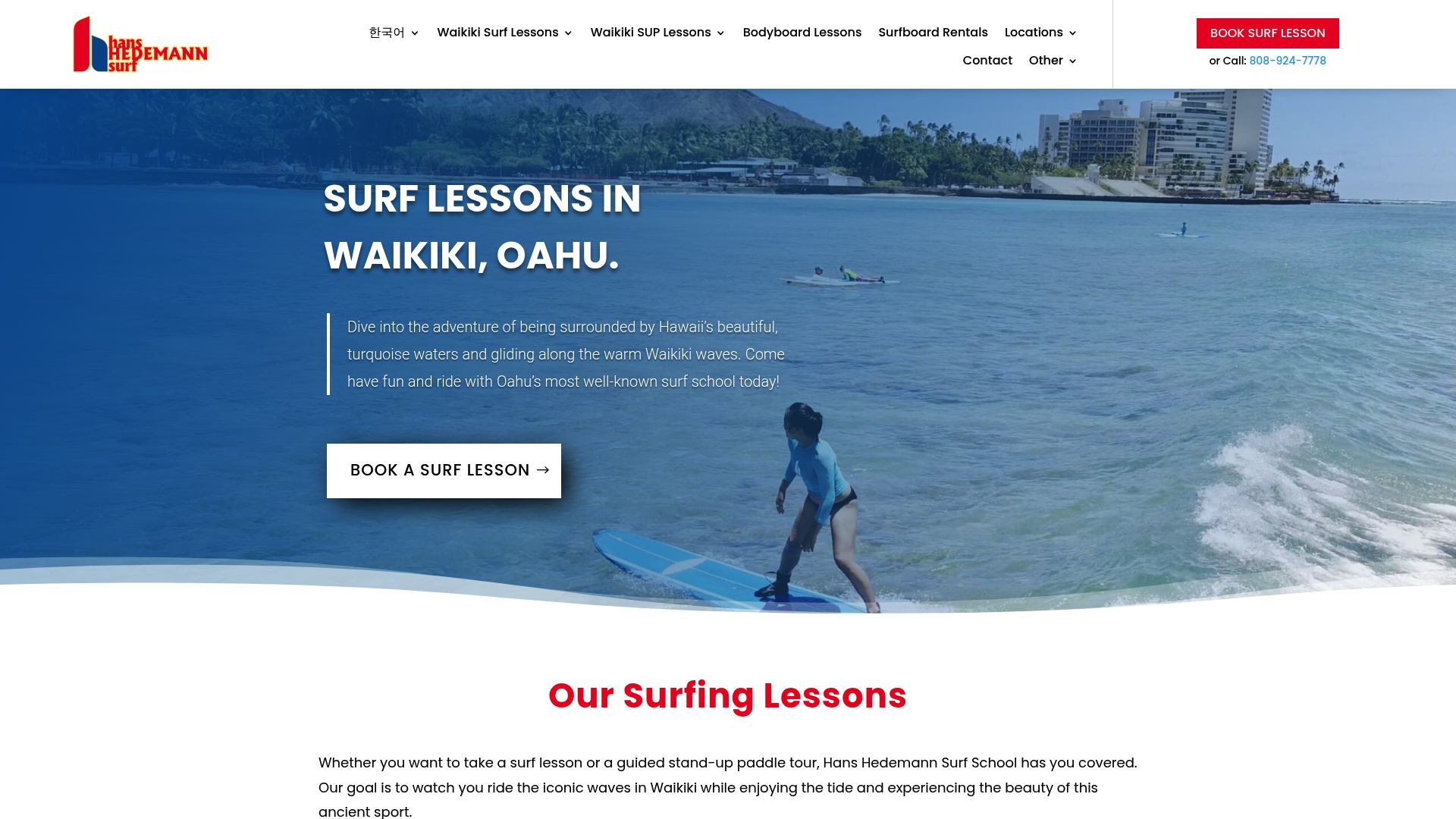
Once you’ve got your attire sorted, the rest is picking the right lesson for how you want to spend your day in the water. We offer group, semi-private, and private surf lessons in Waikiki, along with stand-up paddle and bodyboard options, and equipment like boards, leashes, and flotation aids comes included so you’re not hunting down gear beforehand.
- Group lessons suit first-timers who want a lower-cost introduction alongside other beginners.
- Private and semi-private lessons work well for travelers who want more one-on-one coaching time.
- Multi-day packages fit visitors who want to build real progress across a longer stay.
Following the attire checklist above means less time adjusting your rash guard and more time actually standing up on the board. When you’re ready, book a surf lesson in Waikiki and we’ll handle the gear.
FAQ
Do I need to buy a wetsuit for a Hawaii surf lesson?
Most beginners do not need a wetsuit for Waikiki lessons since the water stays warm year-round. A thin spring suit or wetsuit top only becomes useful on cooler, windier days or for North Shore sessions in winter months.
What sunscreen is allowed in Hawaii for surf lessons?
Hawaii restricts the sale of sunscreens containing oxybenzone and octinoxate because those chemicals are linked to coral reef damage. Look for reef-safe formulas built around non-nano zinc oxide, and apply it 20 to 30 minutes before your lesson for the best protection.
Does Hans Hedemann Surf School provide boards and leashes?
Yes, most lesson types include the board, leash, and a flotation aid as part of the lesson price, so you typically don’t need to bring or rent your own gear for a single session. It’s still worth confirming inclusions for your specific lesson type when you book.
Should I wear reef booties for a Waikiki surf lesson?
Reef booties aren’t usually necessary for sandy-bottom beaches common in Waikiki, but they’re worth wearing for lessons at rockier or reef-adjacent entry points, including some North Shore spots. Ask your instructor ahead of time if your lesson location calls for them.
What should I avoid wearing to a surf lesson?
Skip jewelry, watches, and anything with metal zippers or clasps, since they can snag on a leash or scratch the board. Cotton clothing is also a poor choice because it gets heavy when wet and tends to cause chafing during a lesson.
0 Comments