
Structured surf instruction is the fastest and safest way for beginners to learn to surf. The surf school vs self teaching debate comes down to three factors: speed of progress, safety, and cost. Surf schools use professional coaching to cut the time to stand on a board and catch green waves by over 50% compared to going it alone. Self-teaching offers flexibility and lower upfront costs, but it carries real risks: slower progress, bad habits, and limited safety supervision. Understanding these trade-offs helps you pick the right path from day one.
How does surf school vs self teaching affect your progress?
Surf school coaching accelerates beginner milestones faster than any other method. Standing on whitewater typically takes 1–3 sessions with instruction. Catching green waves follows within 2–4 weeks of regular coached practice. Self-teachers often spend months reaching the same points.
The reason coaching works so well is timing. Beginners struggle most with reading waves and knowing exactly when to pop up. Professional instructors act as an external timing system, calling the moment to paddle hard and stand. That feedback loop is nearly impossible to replicate alone on the water.
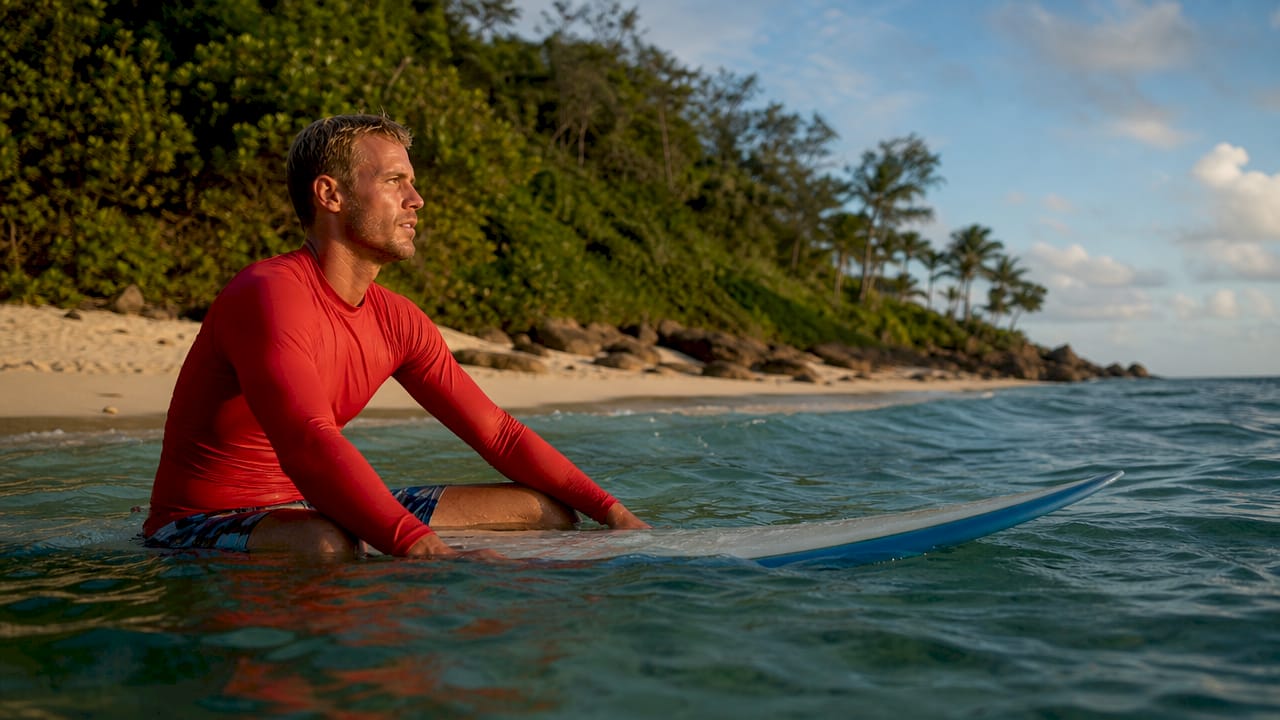
A typical beginner lesson lasts 1–3 hours. Most beginners catch their first wave within 1–3 days of instruction. Reaching the point of surfing independently usually takes 3–5 lessons. That is a tight, predictable timeline that self-teaching rarely matches.
Safety is the other major advantage. Surf instructors select safe spots and supervise risk in ways that solo learners simply cannot replicate. They know local hazards, rip currents, and which breaks suit beginners. That local knowledge alone is worth the lesson fee for anyone new to the ocean.
- Instructors correct paddling form before bad habits set in
- Coaches call wave timing so beginners build feel faster
- Safe zone selection reduces collision and current risks
- Immediate feedback prevents wasted sessions on wrong technique
- Structured progression keeps motivation high through early wins
Pro Tip: Book your first lesson at a school that guarantees you stand up in session one. Schools like Hhsurf build their programs around that milestone, which means you leave the water with real confidence, not just theory.
What does it actually cost to learn to surf each way?
Cost is the most common reason beginners consider self-teaching. The upfront math looks simple: no lesson fee means more money saved. The real math is more complicated.
For a 7-day surf trip, the break-even point between DIY learning and a structured surf camp sits at roughly the cost of daily independent instruction. Beginners who need guidance every session often spend more going solo than they would at a camp. Above that break-even, camps deliver better value per skill gained.
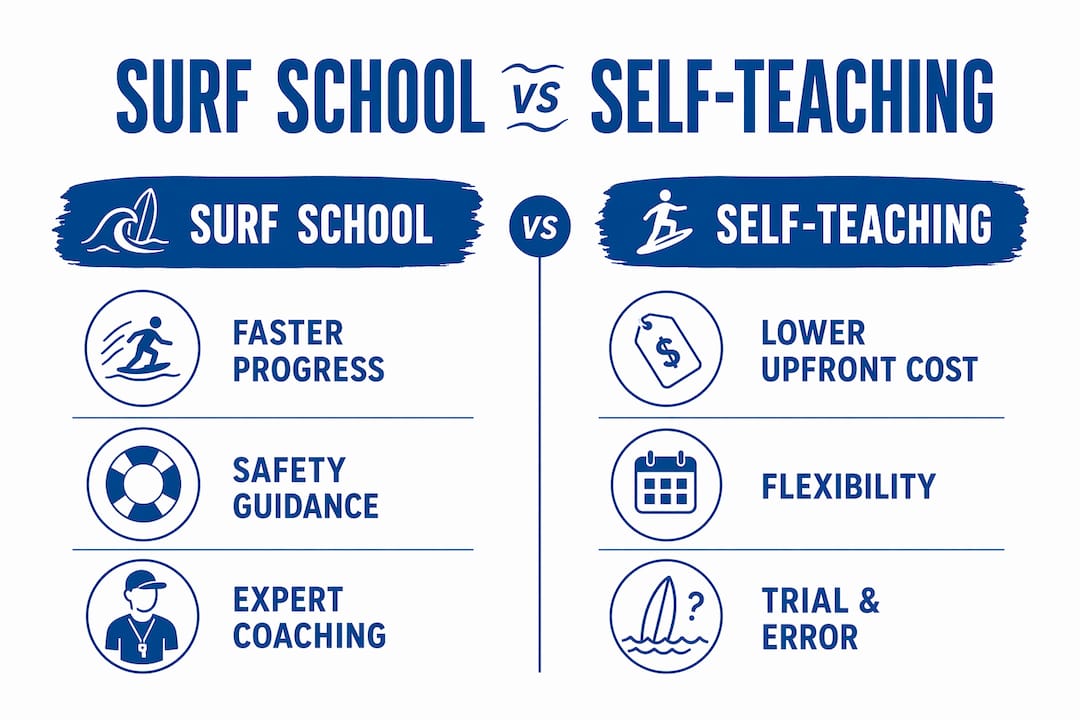
The hidden costs of self-teaching add up fast. Renting boards without guidance means choosing the wrong size. Spending sessions in the wrong spot wastes time. Fixing bad technique later costs extra lessons. These are real financial losses that rarely appear in the initial budget.
Pro Tip: If your trip is 7 days or shorter, a structured program almost always beats DIY on cost per skill gained. Save the independent sessions for after you have the basics locked in.
Here is a realistic cost comparison by learning approach:
| Learning approach | Upfront cost | Hidden costs | Time to first wave |
|---|---|---|---|
| Surf school (group lessons) | Moderate | Low | 1–3 days |
| Surf camp (full program) | Higher | Very low | 1–3 days |
| Self-teaching (full DIY) | Low | High | Weeks to months |
| Hybrid (lessons then solo) | Low to moderate | Low | 1–3 days |
The hybrid approach sits in the sweet spot for most beginners. Booking 2–3 early lessons to nail the pop-up technique and safety basics, then practicing independently, maximizes efficiency for travelers and budget-conscious learners alike. You pay for instruction only where it matters most.
- Group lessons: best value for social learners and first-timers
- Private lessons: fastest individual progress, higher cost per session
- Surf camps: all-inclusive value for dedicated week-long trips
- Hybrid model: 2–3 lessons upfront, then independent practice
What are the real challenges of self-taught surfing?
Self-teaching is not impossible. Plenty of surfers learned without formal instruction. The honest truth is that the process is slower, riskier, and more frustrating than most beginners expect.
The biggest technical barrier is the pop-up. Most self-teachers default to using their knees to rise from the board instead of the correct explosive pop-up motion. Bad habits formed in the first month of self-teaching can take up to 6 months to correct. That is six months of slower progress because of a movement pattern that a single lesson would have fixed.
Wave reading is the second major challenge. The ocean does not give obvious signals to untrained eyes. Self-teachers often paddle for waves too early, too late, or in the wrong position. Without someone to call the timing, building that instinct takes far longer than it should.
“Adult beginners without a surf community benefit greatly from formal instruction. The myth of the self-taught surfer overlooks the social and observational learning that happens naturally when you are surrounded by other surfers and coaches.”
Safety is the sharpest risk. Self-teachers often do not know which breaks are appropriate for their level. They may not recognize rip currents or understand right-of-way rules in the lineup. These gaps create real danger, not just slower learning.
- Improper paddling technique leads to early fatigue and missed waves
- Knee-based standing instead of the pop-up becomes a hard habit to break
- Wave timing errors lead to repeated wipeouts and lost confidence
- Rip current awareness and break selection require local knowledge
- Motivation drops faster without structured milestones or peer support
Mental stamina is also underrated. Surfing is physically demanding and technically complex. Without visible progress markers, self-teachers often plateau and quit. Structured coaching keeps beginners moving forward through the frustrating early weeks.
How can you combine surf lessons with independent practice?
The hybrid approach is the most practical strategy for most beginners. It captures the core benefits of surf school coaching while preserving the freedom and cost savings of independent practice.
The formula is straightforward. Start with 2–3 structured lessons to lock in the fundamentals: paddling form, pop-up technique, wave selection, and basic safety. Once those are solid, shift to independent sessions to build repetition and feel. Consistent practice of 2–3 sessions per week is what builds muscle memory. Sporadic surfing slows learning regardless of how good the instruction was.
- Book 2–3 beginner lessons to master the pop-up and paddling form
- Ask your instructor to identify your two biggest technical weaknesses
- Practice those specific points in every independent session that follows
- Film yourself surfing with a phone propped on the sand to review technique
- Return for a follow-up lesson after 4–6 weeks to correct any drift in form
- Use surf coaching videos and guides to supplement your self-study between sessions
The social dimension matters more than most beginners realize. Surfing with more experienced surfers, even informally, accelerates learning through observation. Watching how someone reads a wave, positions on the board, and times the pop-up teaches things that no video fully captures. Local surf communities are an underused resource for self-teachers.
Pro Tip: When practicing independently, stay in the beginner surf zone until your pop-up is automatic. Moving to bigger waves before that point resets your progress and increases injury risk.
For travelers with limited time, the hybrid model compresses well. Two lessons on day one and two, then four days of independent practice, delivers more skill than seven days of unguided trial and error. The early investment in instruction pays off across every session that follows.
Key takeaways
Surf school coaching is the fastest and safest path for beginners, while self-teaching works best as a supplement to structured instruction rather than a replacement.
| Point | Details |
|---|---|
| Coaching cuts learning time | Professional instruction shortens the path to standing and catching waves by over 50%. |
| Bad habits are expensive | Self-taught errors like knee-standing can take up to 6 months to correct with later coaching. |
| Hybrid model wins on value | Two to three early lessons then independent practice maximizes skill per dollar spent. |
| Safety requires local knowledge | Instructors select safe breaks and supervise risk that solo beginners cannot replicate. |
| Consistency beats method | Practicing 2–3 sessions per week builds muscle memory faster than any single approach. |
What I’ve learned watching beginners choose their path
The debate between surf school and self-teaching looks like a cost question on the surface. After watching hundreds of beginners work through both paths, I can tell you it is really a time question.
Self-teachers almost always underestimate how long the early plateau lasts. They spend weeks paddling for waves they miss, standing wrong, and not knowing why. That frustration is not just unpleasant. It erodes confidence at exactly the moment when confidence matters most. Surfing has real mental health benefits, what researchers call blue therapy, including reduced anxiety and stronger emotional resilience. But those benefits arrive faster when you are actually riding waves, not fighting the learning curve alone.
The beginners who progress fastest are not always the most athletic. They are the ones who get good feedback early and practice consistently. Two or three lessons at the start, followed by regular independent sessions, produces better surfers than months of solo trial and error. The learning benefits of new sports go beyond the physical. Neuroplasticity, confidence, and emotional resilience all grow when you are challenged and supported at the same time.
My honest advice: spend the money on instruction at the start. Not because self-teaching is impossible, but because the early weeks set the foundation for everything that follows. A bad foundation costs far more to fix than it cost to build correctly.
— Johann
Hhsurf lessons: structured learning in Waikiki
Hhsurf runs beginner, group, private, and kids surf lessons in Waikiki, built around a methodology that gets students standing on their first day.
Every session is led by professional surfers who know Waikiki’s breaks, currents, and conditions. That local knowledge keeps beginners safe and learning fast. Hhsurf offers group and private surf lessons for all ages, with progression built into every session. Families can book together through family surf programs designed to move every skill level forward at once. If you want the fastest path from first paddle to first wave, Hhsurf’s structured approach is where to start.
FAQ
How long does it take to learn to surf with lessons?
Most beginners catch their first wave within 1–3 days of instruction. Reaching independent surfing ability typically takes 3–5 lessons with consistent practice between sessions.
Is self-teaching surfing safe for beginners?
Self-teaching carries higher safety risks because beginners lack local knowledge about rip currents, break selection, and right-of-way rules. Professional instruction addresses these hazards from the first session.
What is the best way to learn surfing on a budget?
The hybrid approach delivers the best value: book 2–3 lessons to master the pop-up and safety basics, then practice independently. This minimizes lesson costs while avoiding the time and correction costs of fully self-taught bad habits.
How often should a beginner surf to improve?
Practicing 2–3 sessions per week builds the muscle memory needed for real technical progress. Sporadic surfing, regardless of lesson quality, slows skill development significantly.
Can adults learn to surf without prior experience?
Adults learn to surf effectively with proper instruction. Surf schools like Hhsurf specialize in getting complete beginners standing on their boards within a single session, regardless of age or athletic background.
0 Comments