
Waikiki is often crowded, especially at beginner zones like Canoes and Queens, where lesson groups stack up by mid-morning. The single best move is to paddle out before 9:00 AM and stick to a lifeguarded or supervised zone, or book a lesson if you are new to surfing. Skip solo sessions in the crowded afternoon lineup if you are unsure of local hazards.
TL;DR:
- Visiting Waikiki early in the morning before 9:00 AM offers the freshest water and the lightest crowd, especially important during peak season or south swells.
- The busiest breaks like Canoes and Queens attract large lesson groups and are unsafe for solo surfers, requiring patience or booked instruction for beginners.
- Outer reef breaks near Diamond Head and less crowded spots like Kewalos provide safer, less congested options for experienced surfers willing to paddle further.
- Crowds peak mid to late afternoon due to trade winds and lesson schedules, making early sessions more enjoyable and less frustrating.
- Using guides and booking lessons helps beginners stay away from the most crowded and hazardous zones, reducing collision risk and increasing safety.
Table of Contents
- Which Waikiki breaks and zones are busiest
- When crowds peak: best times of day and seasonal patterns
- Why Waikiki gets crowded: lessons, access, and shoreline limits
- Safety essentials: lifeguard coverage, hazards, and when to sit it out
- Tactics to avoid crowds and have a safer session
- How lessons and local instructors reduce crowd-related risks
- Enjoying Waikiki responsibly
- How Hans Hedemann Surf School keeps beginners out of the worst crowds
- FAQ
- Sources
- Authoritative links for live conditions and studies
Which Waikiki breaks and zones are busiest
The central breaks closest to the hotel strip draw the heaviest traffic because they offer the gentlest, most forgiving waves. Canoes sits right off the main beach and hosts a constant rotation of lessons and rental boards. Baby Queens and Queens attract the same crowd for the same reason: soft, slow-breaking waves that are ideal for learners but packed with them by late morning. Pops, also called Populars, pulls a slightly more experienced crowd chasing a longer, mellower ride, which still means plenty of company in the water.
Surfers who want fewer people in the lineup usually look toward the outer reefs or the breaks closer to Diamond Head, such as Kewalos and the area near Ala Moana Bowls. A local surf map of Waikiki lays out roughly 14 named breaks by skill level and typical crowd, which makes it easier to match your ability to the right spot before you even get your feet wet.
- Canoes and Queens: gentle waves, heavy lesson traffic, best for beginners who can handle company.
- Pops: longer rides, moderate crowd, suited to surfers past the beginner stage.
- Outer reefs and Diamond Head-adjacent breaks: fewer people, but they demand stronger paddling fitness and reef awareness.
Shared water space adds another layer of congestion. Outrigger canoes, stand-up paddleboards and catamaran tours all operate in the same general area, which shrinks the usable room for surfers even when the wave count looks fine on paper.
When crowds peak: best times of day and seasonal patterns
Waikiki’s water is calmest and least crowded in the early morning, before trade winds pick up and before tour groups and lesson blocks fill the lineup. By mid to late afternoon, wind chop builds and the number of surfers, including nearly all the day’s lesson traffic, hits its peak.
- Morning (before 9:00 AM): cleaner water, lighter wind, fewer surfers in the main breaks.
- Midday to afternoon: trade winds increase, chop builds, and lesson groups plus casual visitors crowd the lineup.
- Seasonal swells: south swells and the busiest tourist months bring both better waves and more people chasing them.
Local surf guides recommend paddling out early because even one extra hour of sleep can mean a noticeably more crowded, choppier session. If your schedule allows it, treat “an hour earlier” as a standing rule rather than an occasional favor to yourself.
Why Waikiki gets crowded: lessons, access, and shoreline limits
Waikiki’s crowding is not random. A dense cluster of surf schools operates on a short stretch of beginner-friendly coastline, which funnels large numbers of first-time surfers into the same few breaks at the same times of day. Add in a shoreline that is narrow relative to how many people want to use it, plus hotels, public transit and parking that make the central beach the easiest option for visitors, and the result is predictable congestion.
- Surf schools concentrate lessons at Canoes and Queens because the wave quality suits beginners.
- Limited beach width and easy access funnel both swimmers and surfers into the same narrow stretch.
- A Waikiki-Diamond Head shoreline study found that 44% of surveyed respondents felt crowded during the summer months, underlining that crowding is as much a seasonal pattern as a daily one.
That last point matters beyond comfort. Crowding is also a safety and management issue, since more bodies in a small wave zone raises the odds of board collisions and confused right-of-way calls.
Safety essentials: lifeguard coverage, hazards, and when to sit it out

Honolulu Ocean Safety maintains lifeguard coverage at key Waikiki locations year-round, typically from 8:00 AM to 6:30 PM, with staffed towers near Duke’s, Kuhio Beach, Queens and Kapiolani Park. Checking in with lifeguards before you paddle out is a simple habit that catches hazards you cannot see from the sand.
A Waikiki-Diamond Head shoreline study found that 44% of respondents felt crowded in summer, a figure worth keeping in mind since that same report ties crowding directly to reduced visitor satisfaction and higher safety risk.
- Exposed reef and shallow takeoffs are common across Waikiki’s breaks, especially at low tide.
- The DLNR Waikīkī Marine Life Conservation District page notes hazards like exposed reef at the outer edge, along with limited parking near the shoreline.
- Crowded conditions raise the odds of board collisions and exhaustion, particularly for surfers who are still building stamina.
When conditions look questionable, wait and ask a lifeguard rather than guessing from the beach.
Tactics to avoid crowds and have a safer session
A few small adjustments to timing, location, gear and behavior go a long way toward a calmer, safer session.
- Time it right. Paddle out before 9:00 AM whenever possible, and avoid late afternoons when trade winds and lesson schedules both peak.
- Choose your spot deliberately. If your skill level allows it, head toward outer reefs or breaks nearer Diamond Head instead of the hotel-front lineup.
- Prepare your equipment. Pick a board size suited to your experience, reserve surfboard rentals in Waikiki ahead of time, and check live surf reports before you leave your hotel.
- Mind your etiquette. Follow standard lineup rotation rules, yield to locals who know the break, and keep firm control of your board to avoid collisions.
Pro Tip: If it’s your first time in the water at Waikiki, book a lesson instead of guessing your way through a crowded lineup; an instructor already knows which corner of the break is safest at that hour.
How lessons and local instructors reduce crowd-related risks
Reputable lessons place beginners in the calmest, most forgiving part of a crowded zone rather than leaving them to find it alone. Instructors teach soft takeoffs, proper positioning and rotation etiquette, the same skills that keep a packed lineup from turning into a pileup. Local reporting on Waikiki’s surf schools notes that instructors deliberately manage beginner traffic at Canoes and Queens, helping new surfers avoid the worst of the congestion while they learn.
- Lessons keep learners within lifeguarded areas and away from the more hazardous outer sections.
- Instructors choose appropriate waves for each student, which limits wasted energy and fatigue-driven mistakes.
- Step-by-step guidance, like what to expect during your first surf lesson, sets realistic expectations before you ever touch the water.
Enjoying Waikiki responsibly
Waikiki earns its crowds honestly: nowhere else offers this combination of gentle waves, warm water and a surf community willing to share the lineup with total beginners. The trade-off is patience and planning. An early session or a booked lesson gets you the same wave with a fraction of the stress, and it leaves the reef and the local surfers who built this place a little more respected.
— Johann
How Hans Hedemann Surf School keeps beginners out of the worst crowds
Learning to surf in a packed lineup is harder than it needs to be, which is exactly why we built our lessons around placing beginners in the calmest part of Waikiki’s busiest breaks. Our Group Lessons, Semi Private Lessons and Private Lessons all include equipment and put you with an instructor who already knows how to read a crowded morning versus a packed afternoon.
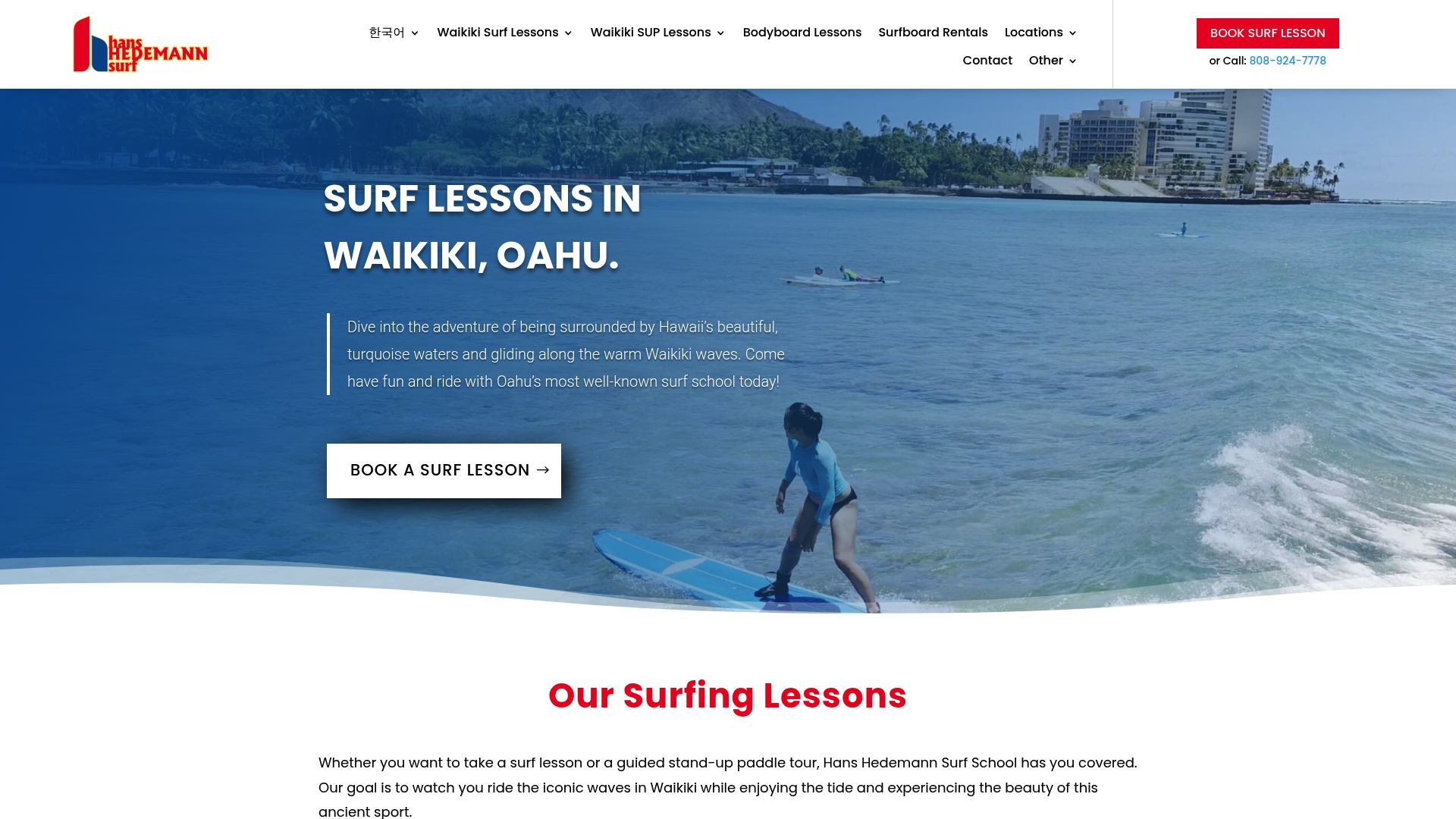
If you would rather go at your own pace after a lesson, we also offer surfboard rentals in Waikiki and multi-day guided packages for visitors who want several sessions without rebooking each day. Check availability for a Waikiki surf lesson and get into the water at the time of day that actually works for you.
FAQ
Why do locals avoid Waikiki at night?
Lifeguard coverage typically ends around 6:30 PM, which means no staffed safety presence after dark at most Waikiki beaches. Reduced visibility combined with exposed reef and currents makes nighttime sessions riskier for anyone, local or visitor.
What is the least touristy Hawaiian island?
This article focuses on Waikiki and Oahu’s surf conditions rather than comparing Hawaii’s islands by tourism levels. For Waikiki specifically, the least crowded water tends to be the outer reefs and breaks near Diamond Head rather than the central hotel-front lineup.
What to be careful of in Hawaii?
In Waikiki’s surf zones, the main hazards are exposed reef, shallow takeoffs and currents, all of which the DLNR Waikīkī Marine Life Conservation District page documents in detail. Crowded lineups add a secondary risk of board collisions, so checking conditions with a lifeguard before entering the water is worth the extra minute.
What is the busiest month in Waikiki?
Summer months see the highest share of visitors reporting crowded conditions, with 44% of surveyed respondents describing Waikiki and the Diamond Head shoreline as crowded during that season. South swells during this period also draw more surfers into the water at the same time.
Sources
- Recreation Carrying Capacity and Management at Waikiki – Diamond Head Shoreline FMA (Final Project Report)
- Oceansafety Hawaii — list of lifeguarded beaches
- DLNR — Oʻahu Waikīkī MLCD
- Waikiki surf map and local timing advice (Oahu Travel Guide)
Authoritative links for live conditions and studies
For up-to-date safety information, check Ocean Safety’s lifeguarded beach list and the DLNR Waikīkī MLCD page before you paddle out, especially during peak season.
0 Comments