by Hans | Aug 4, 2026 | General
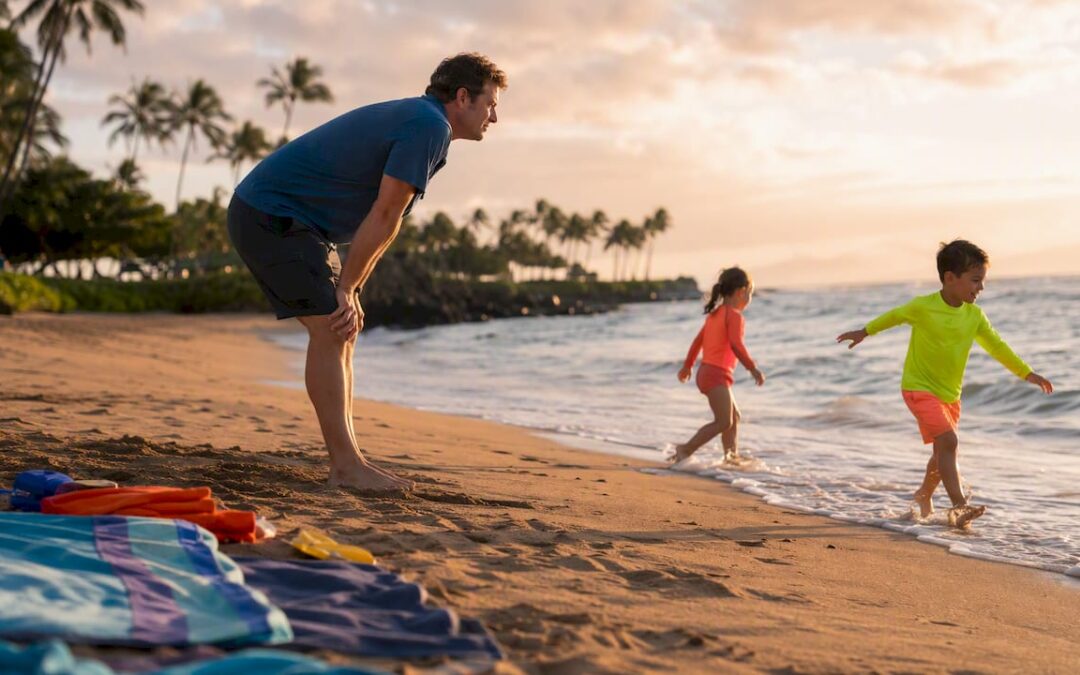
Designate one distraction-free adult as the water watcher, choose a lifeguarded beach, keep non-swimmers within arm’s reach at all times, and position everyone inside the guarded swimming zone. That is the core of any solid supervising children surf beach guide, and...
by Hans | Aug 3, 2026 | General
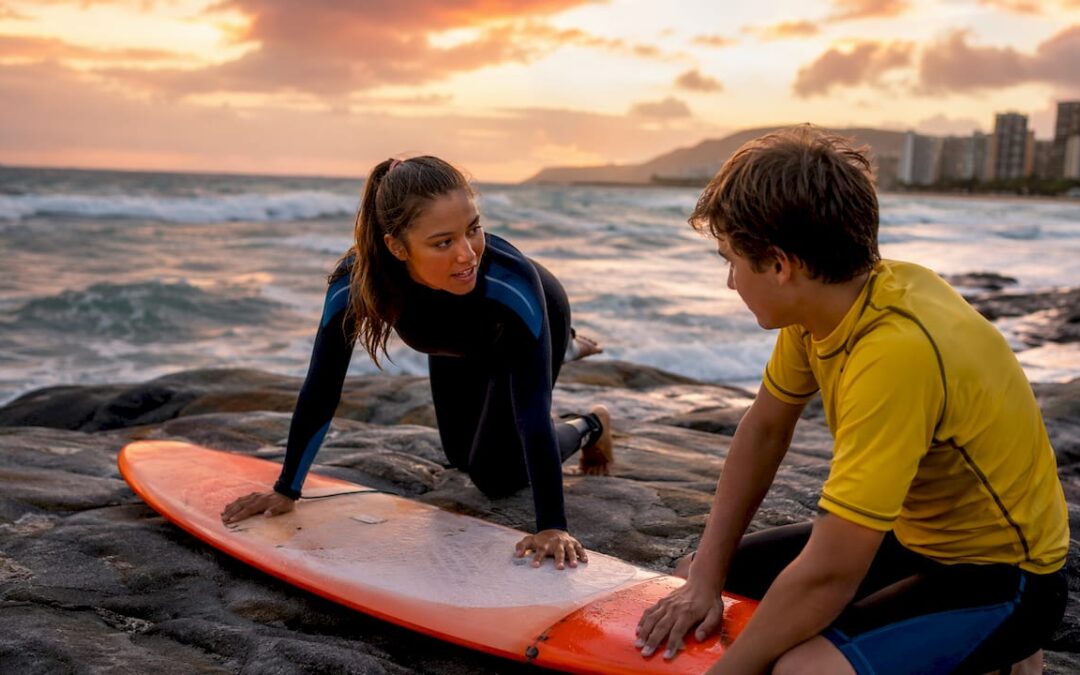
For rapid surf progression in the U.S., your two strongest routes are a local intensive block with a pro-led private or semi-private coach, or a destination multi-day surf camp built around structured daily training. Hhsurf (Hans Hedemann Surf School) in Waikiki...
by Hans | Aug 2, 2026 | General
Six inventions changed surfing more than everything else combined: Tom Blake’s 1935 fin, the foam board transition of the late 1950s, the leash (1971), the bodyboard (1971), sensor systems like TRAX and SurfOne, and advanced materials like WYVE’s 3D-printed cores. For...
by Hans | Aug 1, 2026 | General
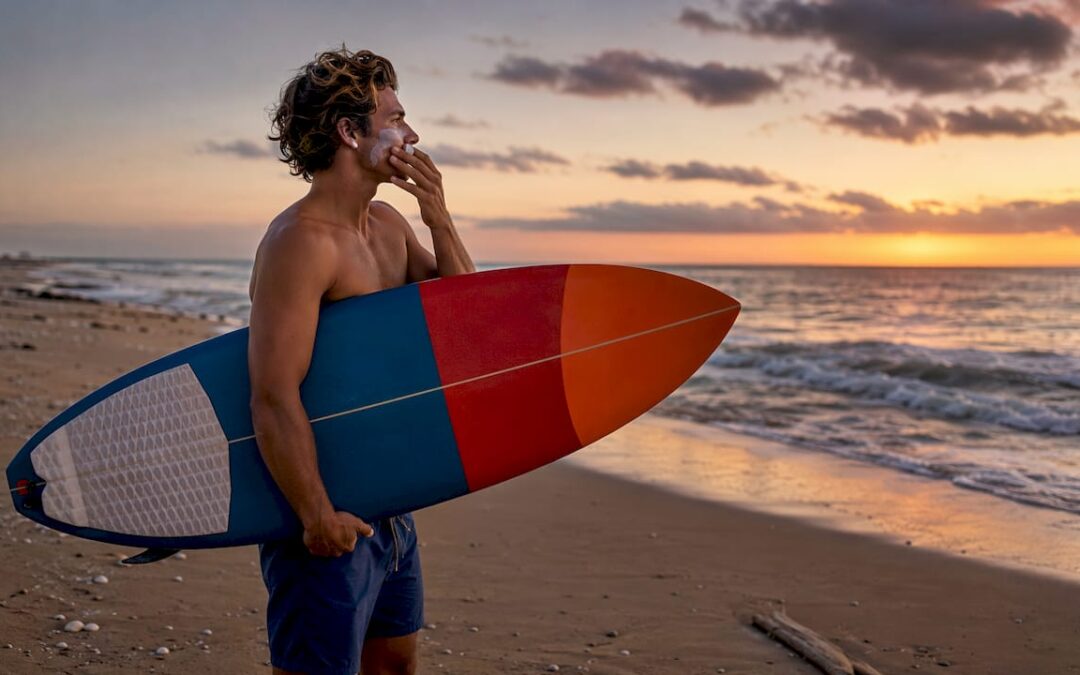
For long surf sessions, the most effective approach is a layered system: UPF 50+ clothing, a broad-spectrum water-resistant SPF 50 mineral sunscreen applied 15–20 minutes before paddling out, and a zinc stick targeted to your face, ears, nose, and lips. The American...
by Hans | Jul 31, 2026 | General
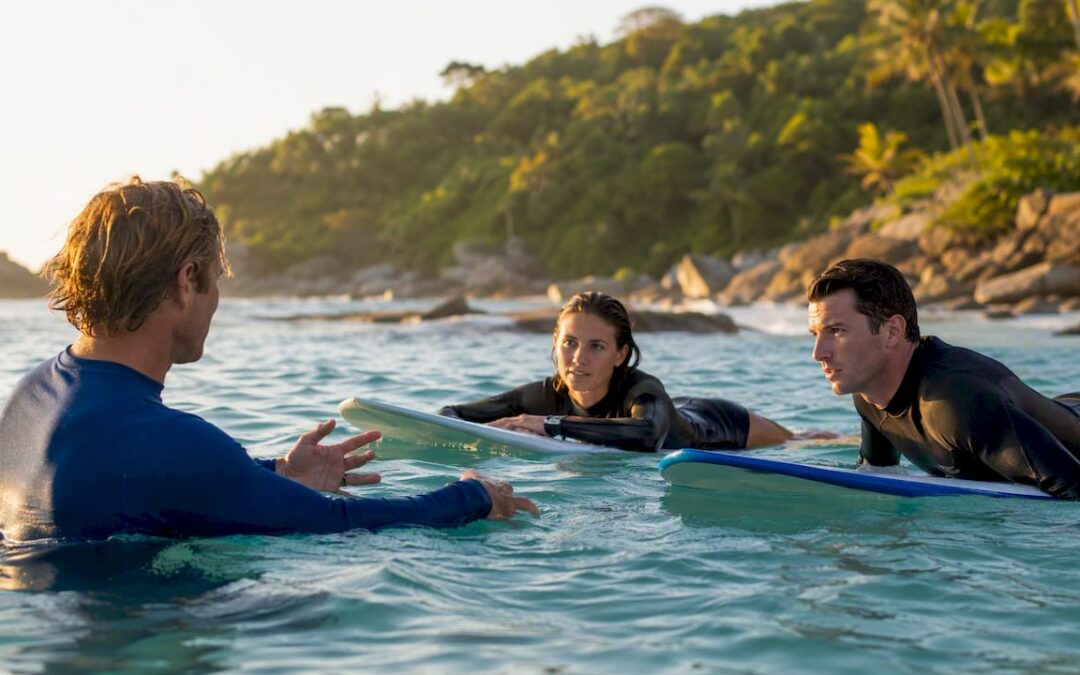
The biggest obstacles first-timers face in group surf lessons are wave timing, board positioning, pop-up mechanics, paddling fatigue, and the crowd dynamics that come with sharing waves. The fastest fix for all of them? Book a small managed group with a low number of...
by Hans | Jul 30, 2026 | General
Structured surf instruction speeds skill acquisition, reduces injury risk, and builds genuine water confidence faster than self-teaching alone. Whether you’re stepping on a board for the first time or trying to break through a plateau, the advantages of surf coaching...
by Hans | Jul 29, 2026 | General
Shallow water surfing means learning to ride waves in waist-to-chest-deep water, specifically in the whitewater (the foamy, broken wave) that rolls toward shore after a wave has already collapsed. You’re not chasing unbroken swells. You’re using the gentle,...
by Hans | Jul 28, 2026 | General
Two classification systems separate surfers who catch waves from those who watch them go by. The first is breaking behavior: how the wave releases energy as it hits shallow water, which falls into four types — spilling, plunging, collapsing, and surging. The second is...
by Hans | Jul 27, 2026 | General
A child is “surf ready” when they can swim a short distance unassisted, stay calm when a wave washes over their face, follow simple one-step instructions, and show up genuinely excited to try. That combination of ocean comfort, basic swim ability, and positive...
by Hans | Jul 26, 2026 | General
Consistent wave riding comes down to five things: smart positioning at the peak, a steady accelerating paddle that matches wave speed, decisive commitment paddles at takeoff, a practiced pop-up, and a compressed bottom turn. Get those right and your wave count climbs...